
Yes, foreign travelers can book attraction tickets in China. The part that feels unfamiliar is that many popular museums, historic sites, and landmark attractions use real-name reservations. Your booking is often tied to the passport or travel document you use at entry.
For a low-demand attraction, you may find same-day tickets or an on-site counter. For a high-demand site, do not assume that. The Palace Museum in Beijing, for example, uses real-name booking and entry checks, and its official ticket page lists passports as an accepted document for non-mainland visitors.

Distinguish admission from booking assistance
| Situation | Useful next step | Important limit |
|---|---|---|
| Official timed admission | Check the attraction’s current sale window and identification rules. | Admission is tied to the issued reservation. |
| Third-party product | Read ticket, guided-tour and service inclusions separately. | A listing title is not proof of confirmed entry. |
| Preferred slot unavailable | Keep a geographically sensible alternative. | Do not buy a seller’s unexplained entry guarantee. |
Key Takeaways
- Use the same passport details for booking and entry.
- Treat high-demand museums and landmarks as reservations, not walk-ins.
- Check the official attraction page first; rules, release times, and entry documents vary.
- Keep the original passport with you on entry day.
- A third-party platform can be convenient, but it does not replace checking the attraction’s own entry rules.
- If tickets sell out, change the date or time slot before paying inflated prices to an unofficial seller.
How Passport-Based Booking Usually Works
A real-name reservation usually asks for your full name and passport number. The attraction then compares your booking information with the original document you present at the gate.
That means a typo is not a tiny issue. A nickname, a missing middle name, or a passport number entered incorrectly can turn a valid-looking confirmation into an entry problem. Use the exact spelling printed in your passport, then recheck the date, time slot, and document number before you pay.
The Palace Museum’s official booking page is a useful example of the basic pattern: non-mainland visitors may use a passport for both ticket booking and entry verification. Do not assume every attraction has the same website, opening window, cancellation policy, or on-site option.
When Should You Book Ahead?
Book ahead whenever the attraction has timed entry, a daily visitor cap, or a reservation notice on its official page. That includes many major museums, heritage sites, and high-demand city attractions.
For popular dates, build the reservation into your itinerary before you lock in trains, hotels, or a guide. Weekend mornings, school holidays, public holidays, and peak travel seasons are the wrong time to rely on a same-day plan.
A realistic schedule matters as much as the ticket itself. If you are building a multi-city route, use our China travel planning guide before choosing ticket dates. For a Beijing-to-Shanghai style trip, also check how a major visit fits into a 10-day China itinerary.
Official Website, Hotel, Tour Operator, or Third-Party Platform?
There is no single best channel for every attraction. Use the one that gives you the clearest match between reservation, payment, passport details, and entry instructions.
Official attraction channel
Start here when you can. It is usually the best place to see current release times, visitor rules, closure dates, accepted documents, and cancellation policy. The downside is that an official site may be Chinese-first or less convenient for an overseas card.
Hotel concierge or licensed local operator
This can be useful when a site is difficult to book, your visit is time-sensitive, or you want help combining transport, guide timing, and entry. Ask exactly what is included and whose passport details will be used for the reservation.
Third-party travel platform
A platform can be convenient for English-language checkout, bundled activities, or customer support. Still, read the attraction’s own entry requirements. A confirmation email is not a substitute for the passport or document the attraction expects at the gate.
If payment setup is slowing you down, prepare it before your travel day. Our Alipay guide for foreigners covers the practical payment setup side.
What to Bring on Entry Day
Bring the original passport used to make the reservation. Keep your confirmation, date, time slot, and attraction name saved offline too. A screenshot is useful for finding the booking details, but it does not replace the original identity document when the gate checks your reservation.
Use this simple entry-day checklist:
- Original passport or the same travel document used for booking
- Reservation confirmation and selected entry time
- Attraction address saved offline
- A working way to contact the booking channel if something is wrong
- Enough time to reach the correct gate and complete security screening
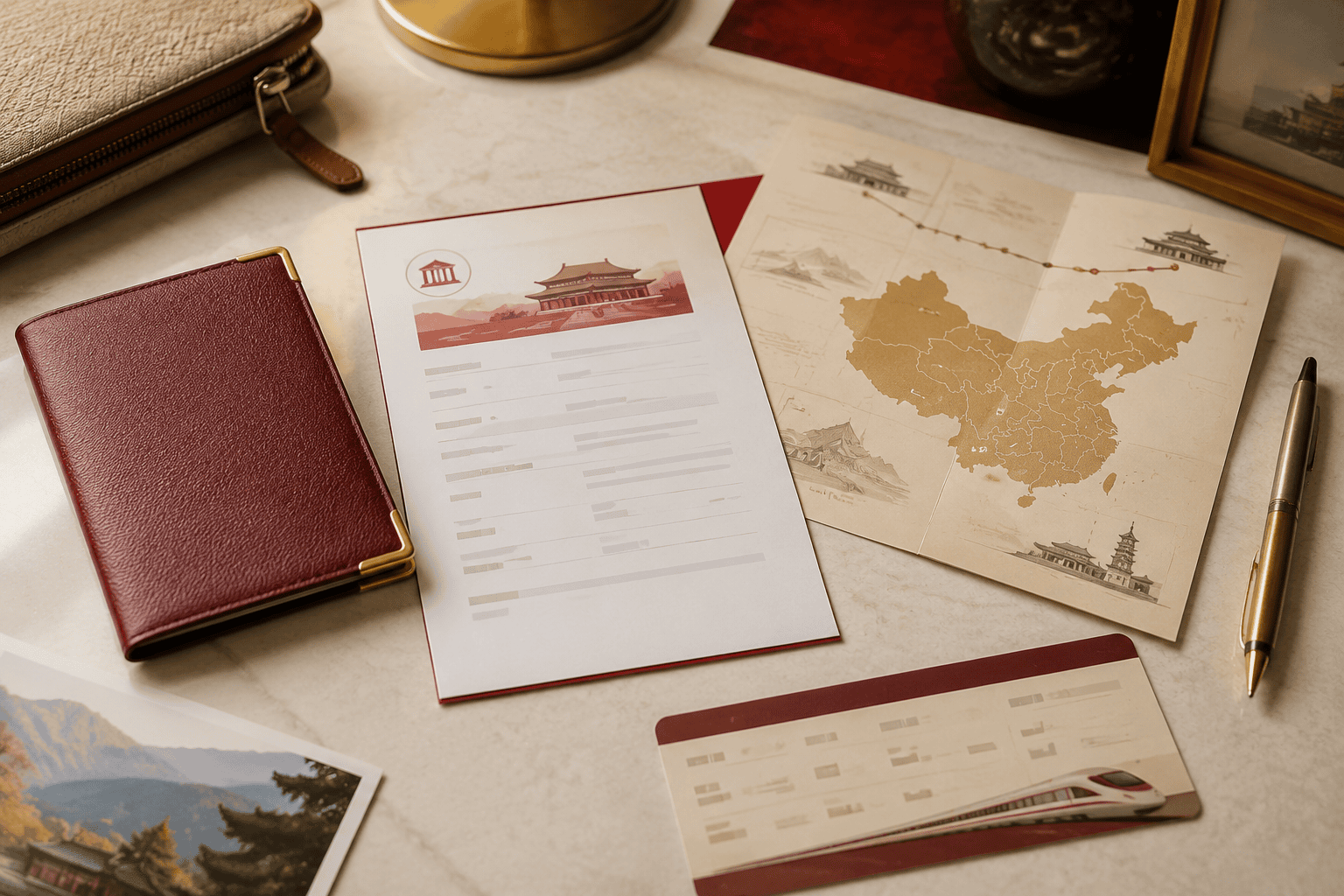
Do not schedule a major museum visit immediately after a long-distance train arrives. If a ticketed attraction is part of a rail day, leave buffer time and read our China high-speed train guide for foreigners before locking in the connection.
What if Tickets Are Sold Out?
First, do not assume the gate will have extra tickets. Some attractions release limited same-day inventory; others do not. The official page is the source of truth for that specific site.
Try these steps in order:
- Check other dates or time slots on the official channel.
- Look for an official cancellation or waitlist rule, if one is published.
- Rework the itinerary around another attraction, neighborhood, or museum day.
- Use a reputable booking provider only if it clearly explains what you are buying and how passport entry works.
- Avoid sellers promising guaranteed entry without clear terms, especially if they ask you to use someone else’s identity details.
A sold-out attraction should not wreck the whole day. The smarter move is to keep one flexible alternative nearby rather than paying a random reseller under pressure.
Common Booking Mistakes
Treating a reservation as optional
For a major attraction, a ticket may be a timed reservation rather than an open-ended admission pass. Read the entry date and hour carefully.
Using different passport details
Book with the exact document you will carry to the gate. Do not switch between a passport, residency document, or someone else’s account details without checking the attraction’s rules.
Booking before checking travel time
A 9:00 a.m. entry slot is not useful if your train arrives at 9:10 a.m. Build ticket times around actual transport, hotel location, and security lines.
Assuming every third-party listing is the same
Compare the attraction name, inclusions, meeting point, cancellation terms, and document instructions. A guided tour, a reservation service, and an admission ticket are not always the same product.
Forgetting the original passport
A saved booking on your phone can help you locate the reservation. It cannot reliably replace the original travel document used for real-name entry.
FAQ
Can I use my passport instead of a Chinese ID?
For many real-name booking systems, foreign visitors use a passport or another eligible travel document. Confirm the exact document list on the attraction’s official page before you book.
Do I need a Chinese phone number?
Not always, but some booking systems or verification flows may ask for a phone number. Check the channel you plan to use before you depend on a last-minute reservation.
Can I buy tickets at the gate?
Sometimes, but not reliably for high-demand attractions. Whether on-site tickets exist, and whether they remain available, is attraction-specific. Check the official page rather than assuming a foreign passport creates a separate walk-in option.
Can someone else book for me?
Possibly, but the reservation still needs to use the correct traveler details and comply with the attraction’s document rules. Confirm what the booking channel requires before handing over passport information.
Bottom Line
Foreigners can book attraction tickets in China, but the safest approach is simple: use accurate passport details, reserve popular sites early, carry the original document on entry day, and verify rules on the attraction’s own page.
If you want the ticket day, train timing, hotels, and city sequence to fit together without patching problems at the last minute, compare a DIY China trip with local planning support.
Official Source
- The Palace Museum official ticket booking page — real-name booking and entry requirements, including passport use for eligible non-mainland visitors.
Related decisions for this part of the trip
- China destination-choice guide
- Visit Beijing Ticket Platform: Check Attraction Coverage
- Mutianyu or Badaling? Choose Your Great Wall Visit
- What to Book First for a China Trip: A Decision Order
Turn this decision into a workable route
Scarce admissions should shape the route before the surrounding day becomes non-refundable. LOCLYX is a China-based local team. We tailor a written plan to your dates, budget, interests, pace and constraints. Planning costs $19.9 per travel day; travel purchases are separate and we do not make reservations or provide ground services.
Use the relevant guides above to settle this question, then compare the full planning deliverable. Compare the sample itinerary and pricing and scope before using Plan My Trip. Delivery and revision conditions are in the published policy.
Update note
Editorial review: October 12, 2026. Use official and provider references for the route and service they cover. Operational availability, individual eligibility, medical decisions and local procedures require the appropriate current or professional check.