Home About Sample Resources FAQ Contact Reviews My LOCLYX Plan My Trip
Contact FAQ
The 10 Best Cities in China for First-Time Visitors

The 10 Best Cities in China for First-Time Visitors

Published on LOCLYX Blog · Updated June 2026 · Reading time ~10 minutes


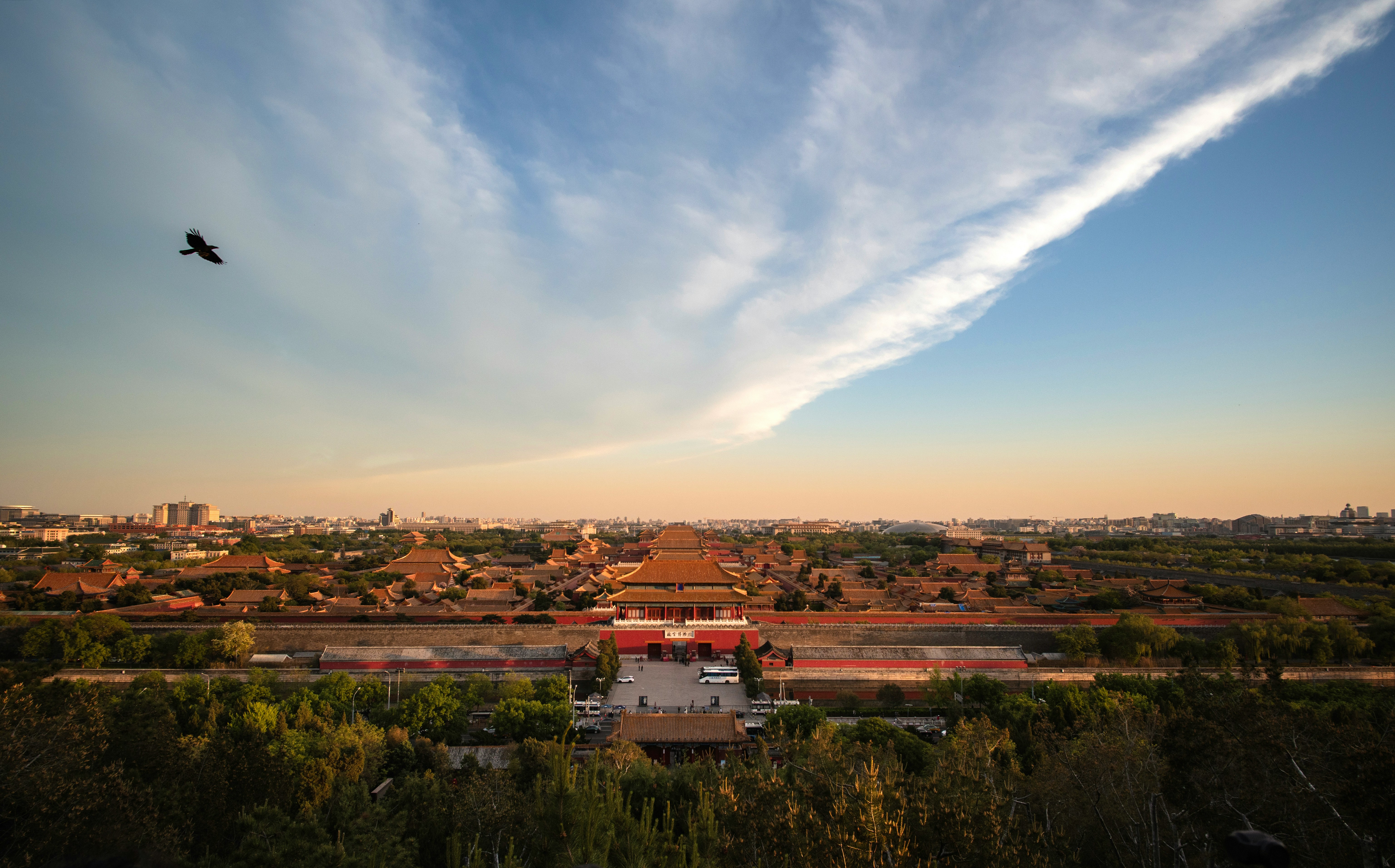
The Forbidden City in Beijing from Jingshan Park — the anchor site of any first-time China itinerary.

Opening

China has 30+ cities that are genuinely worth visiting as a foreign tourist. That is the problem. Every “top 10” list you read online is doing the same impossible math, and almost all of them give the same answer: Beijing, Shanghai, Xi’an, Chengdu, Guilin, plus a half-hearted mention of Hong Kong. The result is that every first-time visitor leaves China having seen the same five cities and the same eight landmarks.

After customized itineraries, we have a more useful framework. There is no “best city in China” — there are cities that match specific travelers. A history buff and a foodie and a parent with young kids should each prioritize different places. This list ranks China’s top cities not by universal appeal but by who they suit, with what to skip, what to book ahead, and how many days each one actually deserves.


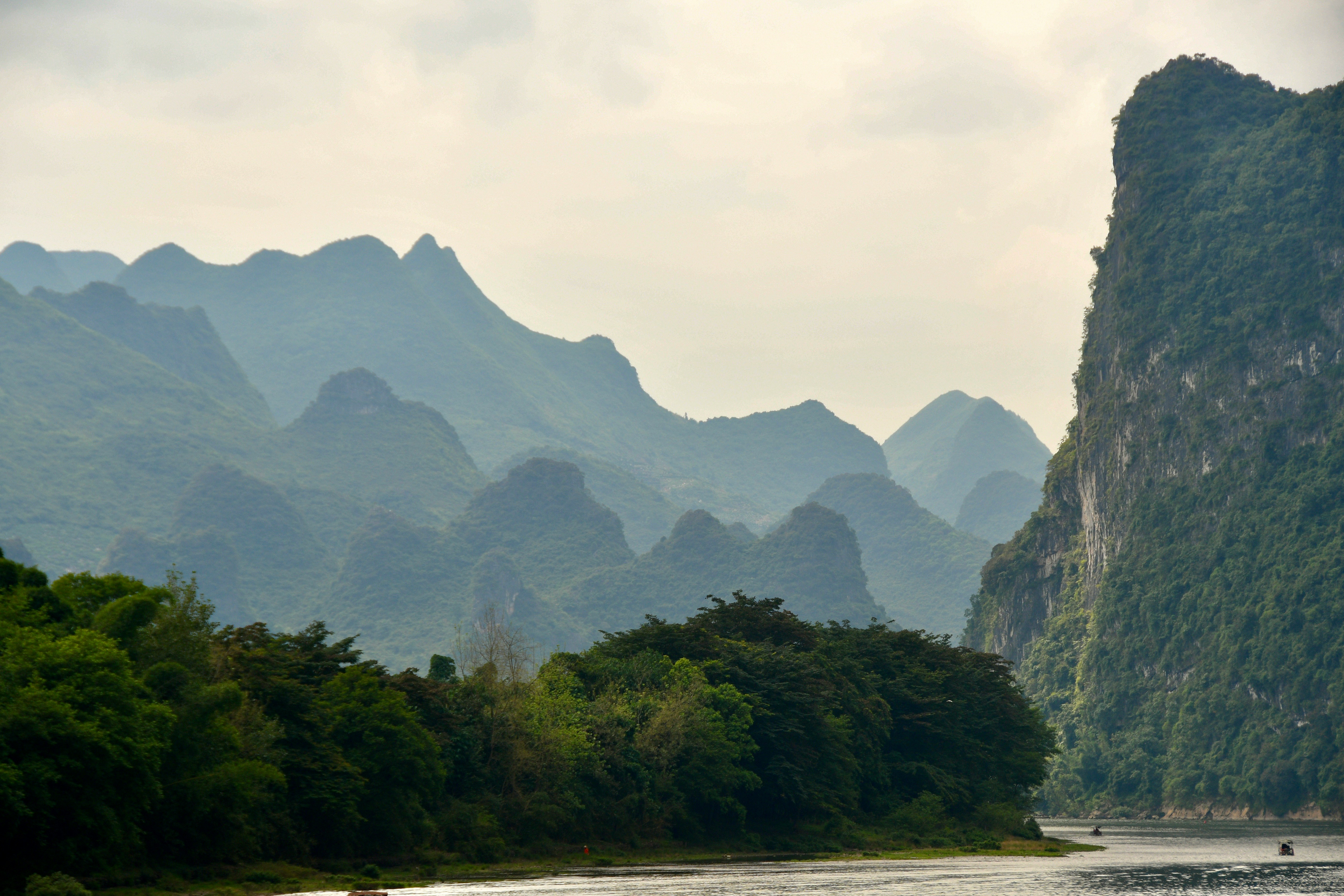
Karst mountains above the Li River near Yangshuo, Guilin — the most photogenic landscape in China and a 4-hour cruise from Guilin city.

Section 1: The three anchor cities — Beijing, Shanghai, Xi’an

1. Beijing — the imperial capital

The political and cultural heart of China for 700 years. The Forbidden City is the single most important historical site in the country, and the Great Wall runs through the city’s northern mountains.

Best for: history buffs, photographers, first-timers who want the “China experience” in one city.
Days needed: 3–5 full days minimum.
Must-do: Forbidden City + Jingshan Park (one full day), Great Wall at Mutianyu (one full day), Temple of Heaven + hutong wandering (half day), Summer Palace (half day), Peking duck at a top restaurant (evening).
Skip if: you hate crowds and heat (summer), or if you have less than 3 days.
Book ahead: Forbidden City tickets (release 7 days in advance, sell out fast in peak season), Great Wall Mutianyu shuttle, Peking duck restaurants on weekends.
Hidden gem: the Dongjiaomin Xiang hutong near Tiananmen — a quiet lane of early 20th-century embassies with several independent cafes and galleries.

2. Shanghai — the modern metropolis

China’s most international city and the financial capital. The Bund’s art-deco skyline at night is one of the great urban views. The food scene is the best in mainland China.

Best for: urban explorers, foodies, shoppers, nightlife, anyone who wants a “global city” experience.
Days needed: 2–4 days.
Must-do: The Bund at sunset, Yu Garden + Old City, Shanghai Tower observation deck, French Concession wander, Nanjing Road, Huangpu river cruise.
Skip if: you only have 2 days in China total — Shanghai without context feels like any other global city. Pair it with Beijing.
Book ahead: Shanghai Disney (if going), Shanghai Tower tickets.
Hidden gem: the Propaganda Poster Art Centre — a private collection of original Cultural Revolution-era posters in a basement apartment. Genuinely moving, almost no tourists.

3. Xi’an — the ancient capital

The eastern terminus of the Silk Road and capital of China for 1,000 years. The Terracotta Warriors are the headline, but the city wall and the Muslim Quarter are equally worth the trip.

Best for: history, food (biangbiang noodles, roujiamo, yangrou paomo), first-timers who want a less Westernized Chinese city.
Days needed: 2–3 days.
Must-do: Terracotta Warriors (half day, leave at 7 AM), ancient city wall bike ride (2 hours), Muslim Quarter street food crawl (evening), Shaanxi History Museum (half day).
Skip if: you only have 1 day in central China and want both Xi’an and Shanghai — choose one.
Book ahead: Terracotta Warriors shuttle or guided tour.
Hidden gem: the Tang dynasty night market near the Big Wild Goose Pagoda — local food stalls that almost no Western tourists find.


Section 2: The three destination cities — Chengdu, Guilin, Hangzhou

4. Chengdu — the food and panda capital

The capital of Sichuan cuisine. Mapo tofu, kung pao chicken, hotpot, and 30 other dishes you have heard of but never had authentic. The giant panda research base is the closest you will get to a panda.

Best for: foodies, families with kids, slow travelers, anyone wanting to escape the Beijing-Shanghai axis.
Days needed: 2–3 days.
Must-do: Chengdu Research Base of Giant Panda Breeding (arrive 7:30 AM when pandas are active), Jinli ancient street, People’s Park teahouse culture, Sichuan hotpot dinner, Sichuan opera face-changing show.
Skip if: you have a 5-day trip and want maximum variety — Chengdu eats trip time.
Book ahead: panda base tickets (limited daily, sell out).
Hidden gem: the Eastern Suburb Memory district — old factory warehouses converted into indie galleries, cafes, and live music venues.

5. Guilin + Yangshuo — the karst landscape

The mountains you have seen in every Chinese painting. The Li River cruise from Guilin to Yangshuo is the most photogenic half-day in China.

Best for: nature lovers, photographers, couples, anyone wanting to see “the China you imagined.”
Days needed: 3–4 days for both, 2 days for Yangshuo alone.
Must-do: Li River cruise (4 hours, departs Guilin morning), Longji rice terraces day trip, countryside cycling in Yangshuo, Impression Liu Sanjie light show (optional but spectacular).
Skip if: you dislike humidity (summer is muggy), or if you are in China only for cities.
Book ahead: Li River cruise tickets (the cruise boats fill up), boutique hotels in Yangshuo.
Hidden gem: Xingping ancient town — a smaller, less-touristed version of Yangshuo with the iconic 20-yuan-bill view.

6. Hangzhou — the garden city

West Lake has been inspiring Chinese poetry for 1,000 years. The tea plantations around Longjing village produce some of China’s finest green tea. One hour from Shanghai by train.

Best for: a 2-day add-on to Shanghai, romantic trips, tea lovers, slow walkers.
Days needed: 2 days, or a day trip from Shanghai.
Must-do: West Lake boat ride + walking path, Lingyin Temple, Longjing tea village, Hefang ancient street.
Skip if: you only have 1 day in the Shanghai region and want to see Shanghai itself deeply.
Book ahead: West Lake boat tickets on weekends.
Hidden gem: the China National Tea Museum — set in the tea plantations, free entry, almost no tourists.


Section 3: The four honorable mentions — Hong Kong, Suzhou, Hongcun, Chongqing

7. Hong Kong — the gateway

A special administrative region of China with its own currency, immigration, and cultural identity. Cantonese food, dim sum, the Star Ferry, and the world’s most spectacular urban skyline.

Best for: foodies, urban explorers, anyone nervous about mainland China on a first trip, family add-ons.
Days needed: 3–4 days.
Must-do: Star Ferry at sunset, dim sum breakfast, The Peak Tram, Tsim Sha Tsui promenade, temple street night market, day trip to Lantau Island (Big Buddha + Tai O fishing village).
Skip if: you are on a tight mainland itinerary — Hong Kong deserves its own trip.
Book ahead: Peak Tram tickets, popular dim sum restaurants.
Hidden gem: the Chi Lin Nunnery and Nan Lian Garden — a Tang-dynasty-style wooden monastery and classical garden in Diamond Hill. Free, almost empty, astonishing.

8. Suzhou — the Venice of the East

Classical Chinese gardens, canal-side walking, and silk. 25 minutes from Shanghai by high-speed train. Best as a day trip from Shanghai but worth an overnight in its own right.

Best for: gardeners, architecture lovers, a quiet add-on to Shanghai.
Days needed: 1 day (from Shanghai) or 2 days standalone.
Must-do: Humble Administrator’s Garden, Lion Grove Garden, Pingjiang Road canal walk, silk museum.
Skip if: you have no interest in gardens or canals.
Book ahead: nothing essential.
Hidden gem: the Master of the Nets Garden — the smallest of Suzhou’s classical gardens, often overlooked, and arguably the most refined.

9. Hongcun / Huangshan — the painted village

A 900-year-old village in Anhui province with white-walled houses and moon-shaped ponds, set against the Yellow Mountains. One of the most photographed places in China and a UNESCO site.

Best for: photographers, hikers, anyone wanting to see rural China.
Days needed: 2–3 days (Hongcun plus Huangshan hike).
Must-do: Hongcun at dawn, Yellow Mountain (Huangshan) cable car + summit walk, Tunxi old street.
Skip if: you dislike crowds — Hongcun is heavily visited during weekends and holidays.
Book ahead: Huangshan cable car tickets, hotels in Hongcun (limited capacity).
Hidden gem: Xidi village — 30 minutes from Hongcun, less visited, similar architecture.

10. Chongqing — the cyberpunk city

A Yangtze River mega-city built on hills, with spicy food culture and a skyline that looks like science fiction at night. The growth of hotpot’s popularity in the West started here.

Best for: foodies, urban explorers, repeat China visitors, anyone who found Chengdu insufficiently intense.
Days needed: 2–3 days.
Must-do: Hongya Cave at night, Yangtze river cable car, Ciqikou ancient town, Chongqing hotpot (the local style is spicier than Chengdu’s).
Skip if: you have a 7-day itinerary and want variety — Chongqing is intense and rewarding but not the easiest first China city.
Book ahead: hotpot restaurants (popular ones have 2-hour waits).
Hidden gem: the Liziba monorail station — a residential building that has a monorail train passing through its 6th floor.


Section 4: How many cities should you actually visit?

The trap with a list like this is wanting to see all ten. Here is the rule:

  • 7 days: 2 cities (Beijing + Shanghai, or Beijing + Xi’an)
  • 10 days: 2–3 cities (Beijing + Xi’an + Shanghai is the classic)
  • 14 days: 3–4 cities (add Chengdu, Guilin, or Hong Kong)
  • 21+ days: 5–6 cities, with one domestic flight between regions

Each city change costs you 4–6 hours of transit and the better part of a day of momentum. Three cities deeply is better than six cities shallowly every time.

Our canonical 10-day itinerary covers Beijing + Xi’an + Shanghai. If you want to swap one for Chengdu or Guilin, see our plan my trip page — we customize the route to your dates, walking pace, and food preferences.


Section 5: Cities to save for your second trip

A few honorable mentions that are not for first-timers but reward the second or third China trip:

  • Lhasa (Tibet) — the Potala Palace, Jokhang Temple, altitude at 3,650m. Requires a Tibet Travel Permit arranged in advance through a registered tour operator. Not for first-timers.
  • Turpan + Kashgar (Xinjiang) — Silk Road oasis cities, Uighur culture, dried fruits, the kind of remoteness that Western travelers rarely experience. Requires extra permits and time. Advanced only.
  • Dunhuang — Mogao Caves Buddhist murals and the sand dunes at Mingsha Mountain. Pair with a Silk Road itinerary.
  • Inner Mongolia — grasslands, Mongolian culture, horseback riding. Best June–September.
  • Zhangjiajie — the Avatar mountains, glass bridge, Tianmen Mountain. Worth a 2–3 day detour for repeat visitors.
  • Jiuzhaigou — UNESCO national park, turquoise lakes, autumn colors. Best in October.
  • Wuyishan — tea country, bamboo rafting down the Nine Bend Creek. Best for tea lovers and slow travelers.

Closing

The “top 10 cities in China” question is really the “which China cities match my travel style” question. There is no wrong answer — there are wrong combinations. Beijing + Shanghai + Hong Kong in 10 days is too much transit and not enough depth. Beijing + Xi’an + Chengdu in 10 days is a better mix. Beijing + Xi’an + Guilin in 10 days is the best for first-time visitors who want a bit of everything.

If you want help choosing the right cities for your trip and planning the logistics between them, see our 10-day itinerary for the canonical route, or our plan my trip page for a customized itinerary built by someone who lives in China and has walked the routes you are about to take.


Want a personalized China itinerary built by locals?

Plan Your Trip