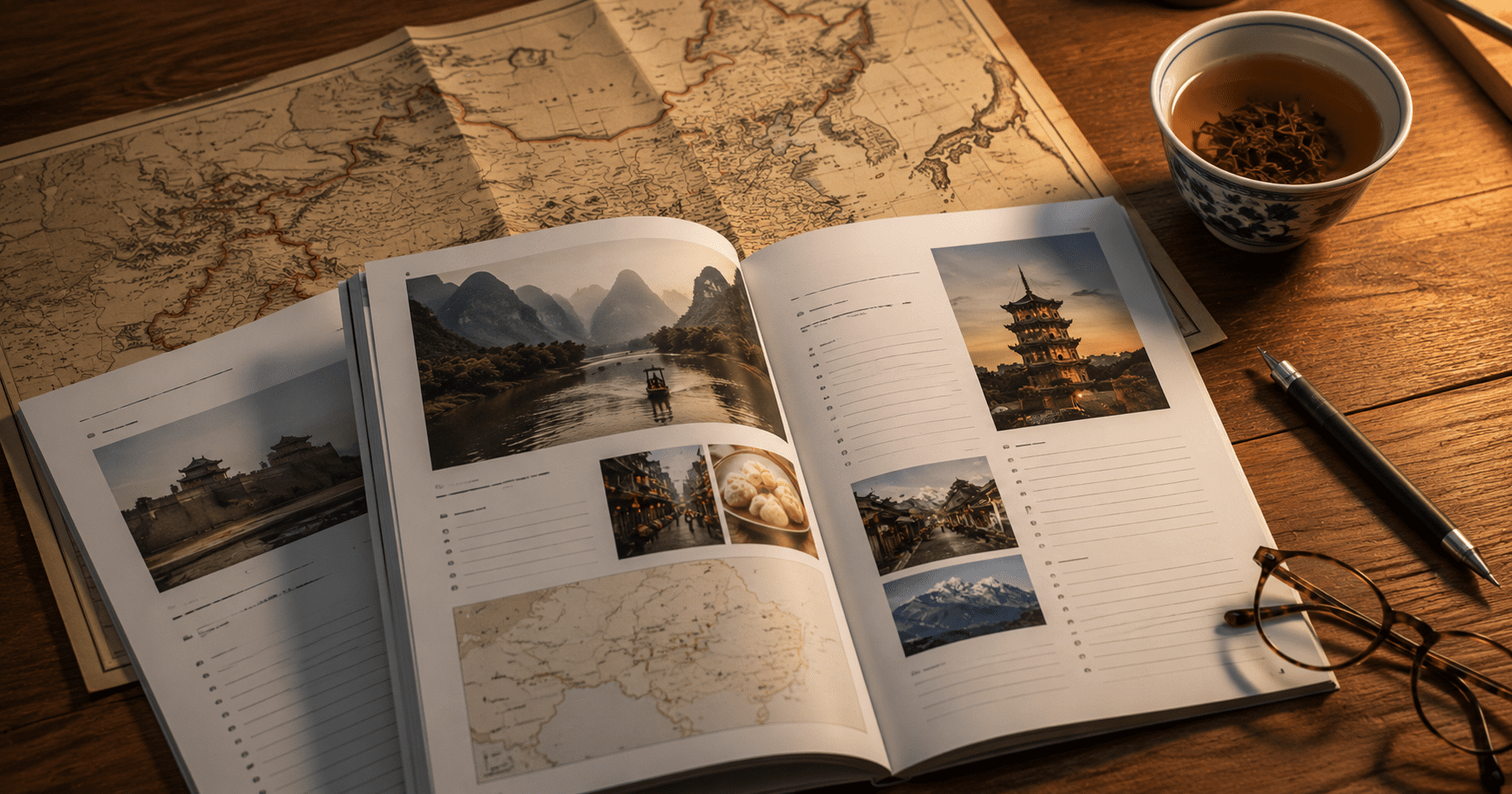
Choose China cities for the experience you want and the time you have. A city is useful to your trip when it fits the route, season and travel pace—not because it appears on every ranking.
Start with interests, then test the route
| Destination | A reason to consider it | A constraint to check |
|---|---|---|
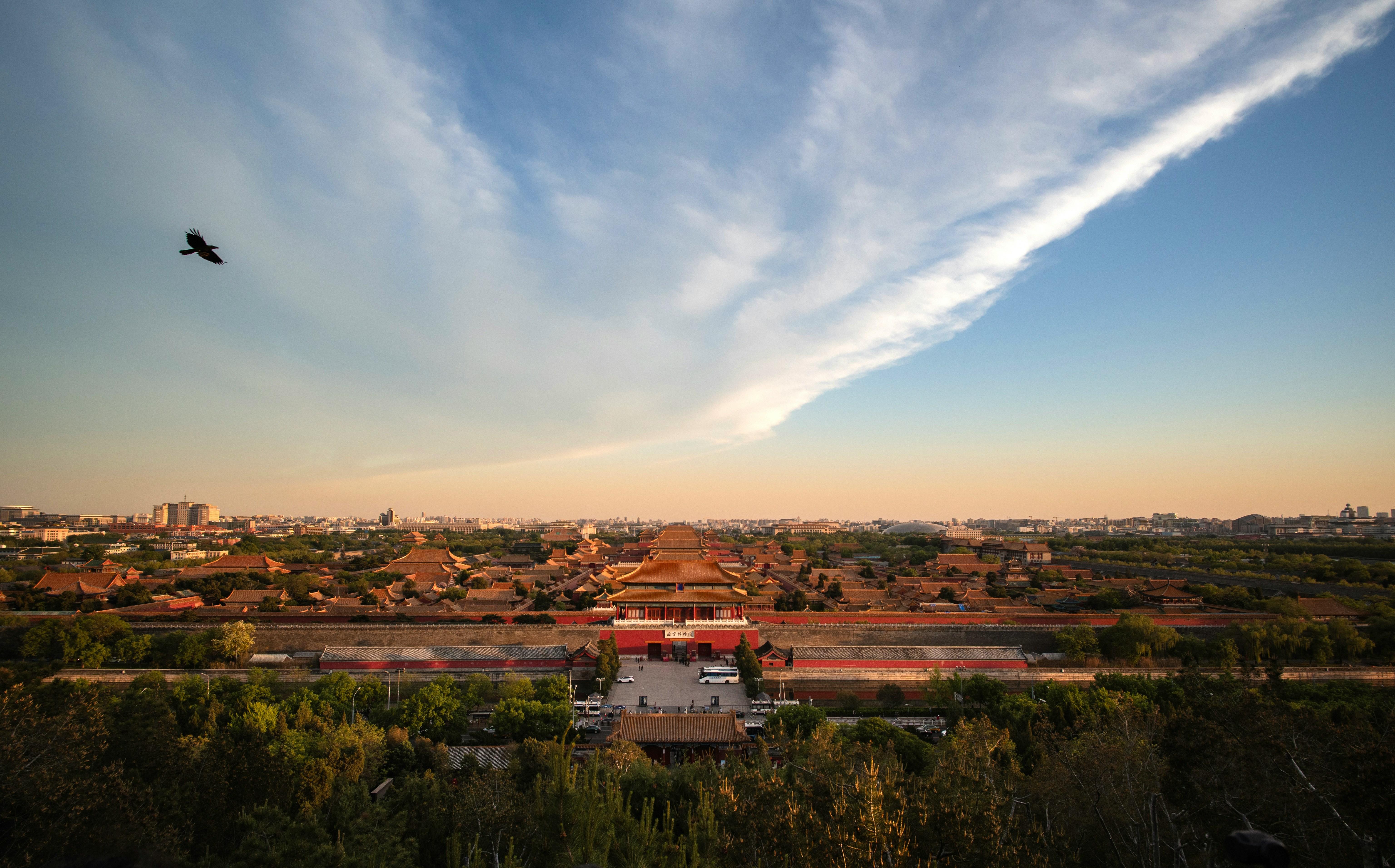
| Beijing | Imperial history and a Great Wall excursion | Timed reservations, distant excursions and seasonal heat or cold |
| Shanghai | Contemporary city life, waterfront and neighborhoods | Arrival/exit airports and cross-city travel |
| Xi’an | Archaeology and historic city experiences | Time for the Terracotta Army outside the center |
| Chengdu | Sichuan food, neighborhoods and a panda outing | The specific panda venue, travel time and weather |
| Guilin / Yangshuo | Karst scenery and a slower landscape stay | Rain, onward transfers and the exact overnight base |
| Guangzhou | Cantonese food and a southern-city stop | Heat, humidity and route fit with Hong Kong or other gateways |
| Lijiang | Old-town exploration and regional culture | Altitude, distant outings and transport links |
| Pingyao | Historic walled-town walking | Station access and whether a night adds more than a short stop |
| Quanzhou | Religious heritage and local neighborhoods | Opening arrangements and travel between dispersed sites |
| Wuzhen | A water-town stay or excursion | The chosen area, entry arrangements and late return transport |
This is a selection matrix rather than a ranking or a plan to visit all ten. A place can be attractive and still be the wrong detour for this holiday.
Compare the whole move, not the dots on a map
Write the hotel-to-hotel journey for every candidate: checkout, transport to the terminal, waiting, the train or flight, arrival transfer and check-in. Then compare what remains for the experience that made you choose the city.
Connect adjacent or well-linked interests where practical, but verify the actual schedule. A fast train still consumes time outside the train. A nearby rural landscape may need more local transport than a farther city center.
Three ways to narrow a first-trip shortlist
History and city contrast: consider Beijing with Shanghai, then decide whether Xi’an adds enough to justify the middle transfer. Food and slower urban time: compare Chengdu or Guangzhou with a gateway that fits your flights. Landscape priority: give the landscape base enough nights and remove a city that would leave only a rushed outing.
These are illustrative approaches, not packages. Use the usable-days framework before choosing the final number of stops.
Check season, access and reservations separately
Do not infer that every attraction in a city operates year-round in the same way. Weather can alter a mountain or river day; a museum may close on a particular weekday; a festival may change local demand. Check the venue and transport for your date.
Special destinations can involve additional permits, travel-advice considerations or restricted access. Do not treat Tibet or remote border areas as an interchangeable first-trip add-on, and do not publish a blanket permit claim for all of Xinjiang. Establish the rules for the actual destination and your nationality.
Use destination guides to choose a meaningful local block
Our local-culture guides help select a compact experience rather than add an unmanageable attraction list: Beijing, Shanghai, Xi’an, Chengdu, Guangzhou, Lijiang, Pingyao, Quanzhou and Wuzhen. Verify current access before relying on an activity.
If your shortlist includes Xinjiang, read the Kashgar old-city planning block before adding transport: its public visitor route, market checks and onward journeys need their own time. It is a separate national-route choice, not an extension to a Beijing neighborhood walk.
Make a shortlist you can actually book
- Name three experiences you most want, not ten cities you have heard of.
- Choose arrival and exit endpoints that fit the shortlist.
- Mark full, partial and transfer days.
- Check passport-specific entry permission, season and scarce reservations.
- Remove a city if its transfer costs more useful time than its experience returns.
The route is ready for detailed planning when you can explain both why each stop is included and what you deliberately left out.
Turn this decision into a workable route
A destination shortlist becomes valuable when its transfers, hotel areas and daily priorities work together. LOCLYX is a China-based local team. We tailor a written plan to your dates, budget, interests, pace and constraints. Planning costs $19.9 per travel day; travel purchases are separate and we do not make reservations or provide ground services.
Use the planning framework to turn these choices into a city sequence. Compare the sample itinerary and pricing and scope before using Plan My Trip. Delivery and revision conditions are in the published policy.
Sources and scope
Editorial review: October 19, 2026. Routes and time allocations below are illustrative planning options, not documented customer cases, available packages or promises of a particular timetable.
- National Immigration Administration — check passport-specific entry rules and transit conditions
- China Railway 12306 — check live railway stations, schedules and ticket availability