
Most itinerary problems begin between attractions: the wrong station, an unnecessary hotel change, a scarce reservation or a transfer treated as free time. Audit those links before booking.
Mistake 1: counting arrival as a full sightseeing day
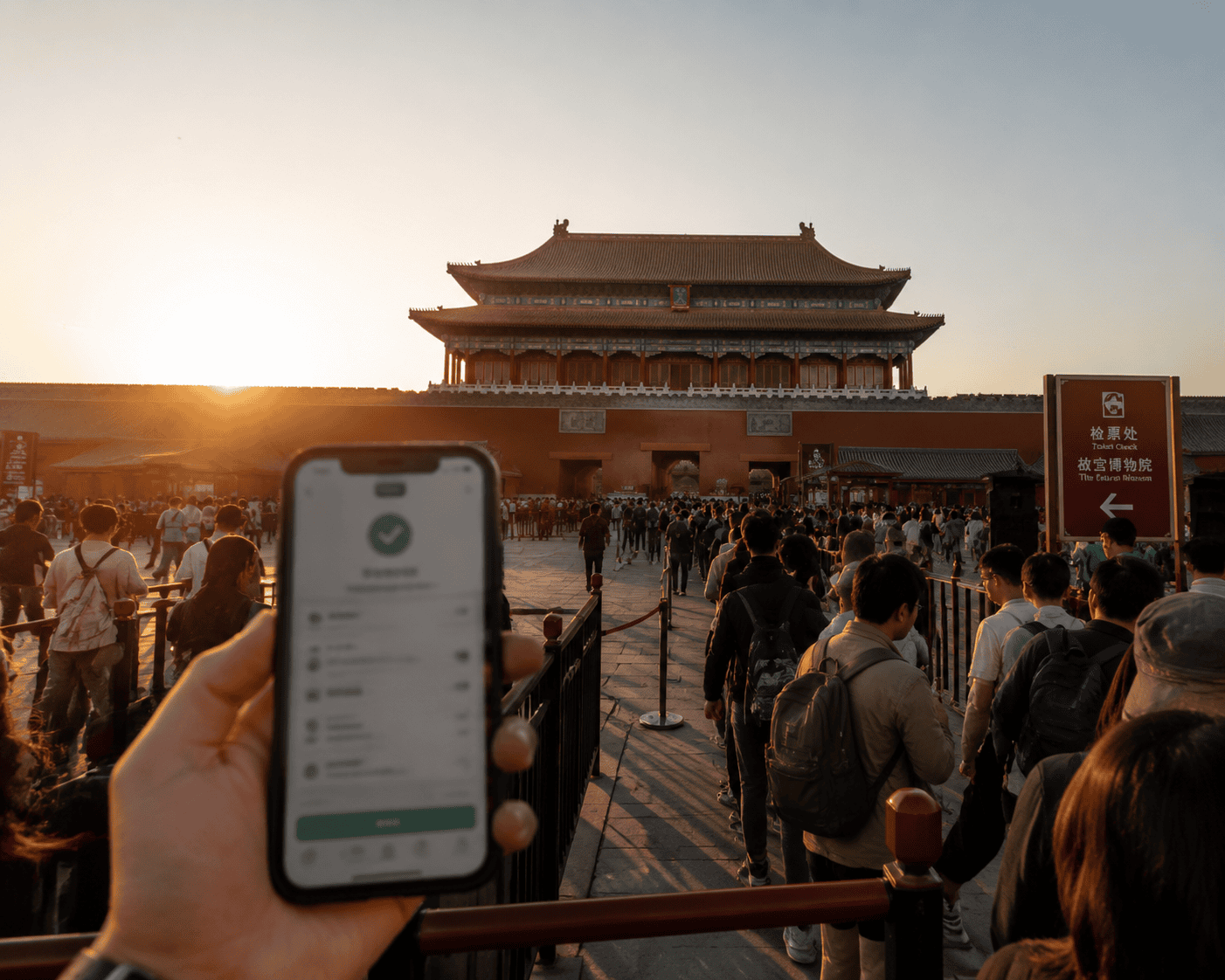
A scheduled landing is the start of border processing, baggage and the hotel transfer. Sleep, traffic and a late flight can change what you can comfortably do. Keep arrival plans flexible and nearby, with food and a clear hotel address ahead of a timed attraction.
Replace it with: a realistic first-night plan, a backup transfer and an optional neighborhood activity. Put the must-see reservation on a later usable day where possible.
Mistake 2: adding a city without subtracting the move
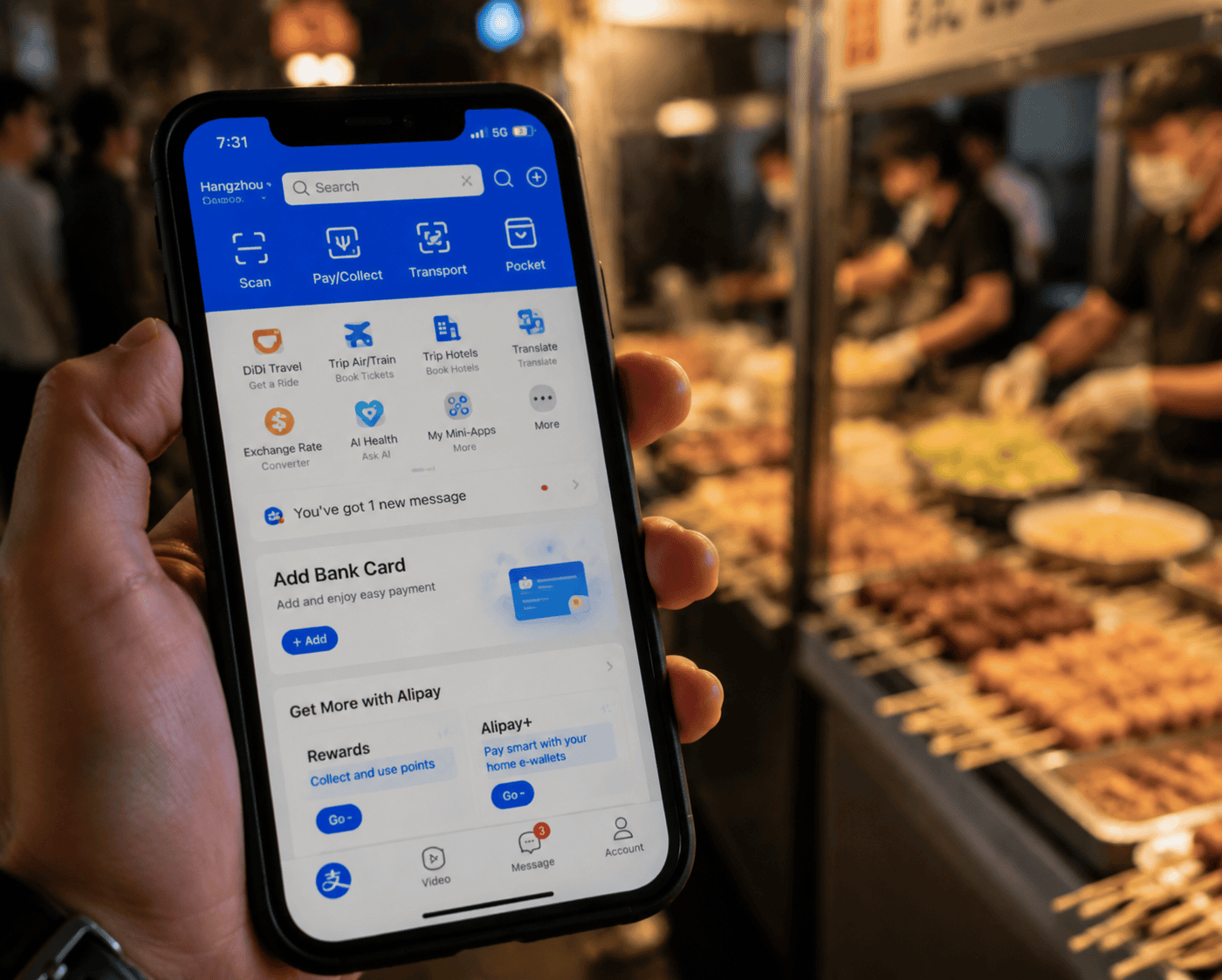
Each new base adds packing, checkout, a terminal journey and another check-in. A route can have ten calendar days and far fewer unrestricted hours. Do not solve a short stay by making every morning start earlier.
Illustrative comparison: removing a middle stop from Beijing–Xi’an–Shanghai can trade one headline destination for an extra flexible period and one fewer intercity move. This is a route-design example, not a customer result. Use the ten-day options to compare that trade.
Mistake 3: comparing journey time without terminal access
A train’s displayed journey and a flight’s airborne time are not the hotel-to-hotel trip. Large cities have several stations and airports. The cheapest ticket can be poor value if its terminal creates a long taxi ride or an arrival after transit has stopped.
Replace it with: a door-to-door comparison using exact station names, baggage rules, check-in time and hotel access. Check same-station and different-station transfers before trusting a connection.
Mistake 4: grouping famous sights instead of nearby places
Three famous places are not automatically a workable day. Check their position, opening schedule, entrance, timed reservation and the route between them. A long excursion can deserve a separate day even if its visit itself is short.
Replace it with: one geographical area per block, a clear priority and a nearby alternative. A useful food stop fits the day’s route instead of causing another cross-city transfer.
Mistake 5: treating “central” as a complete hotel decision
Choose the hotel area for your actual attractions and the arrival/departure terminal. Check late reception, luggage handling, room capacity and cancellation conditions. A cheaper room can create recurring transport expense.
Replace it with: a short area comparison, then property checks. For a flight arriving after midnight, confirm which calendar date the reservation must cover and that the room will be held.
Mistake 6: buying the easy items before the scarce ones are checked
A non-refundable hotel or domestic leg can lock you into a date when the main attraction is unavailable. Check entry eligibility, major holidays and key reservation constraints before committing to the whole chain.
Replace it with: a booking order that keeps uncertain parts flexible. Ticket windows and cancellation rules are provider-specific, so verify them at the point of purchase.
Mistake 7: leaving no plan for ordinary failures


A payment failure, rain or a delayed train should trigger a reasonable substitute, not destroy the day. Keep a second payment method, Chinese hotel address, offline confirmations and an alternative for the most important transfer.
Replace it with: a simple decision for each bottleneck: who to contact, what information to show, which nearby option to use and what to remove to recover time. Keep enough room in the schedule to use those alternatives.
Before you pay, perform a five-minute route audit
- Can you identify every airport, station and hotel in Chinese?
- Have arrival, departure and transfer hours been deducted?
- Does each must-see experience have an available date and a backup?
- Do hotel check-in dates match late arrivals?
- Can you protect the flight home if one domestic leg fails?
If the route fails one of these tests, change the backbone before polishing restaurant recommendations. The planning guide walks through that order.
Turn this decision into a workable route
A local planning review is most useful before an avoidable timing problem becomes a non-refundable booking. LOCLYX is a China-based local team. We tailor a written plan to your dates, budget, interests, pace and constraints. Planning costs $19.9 per travel day; travel purchases are separate and we do not make reservations or provide ground services.
Use the planning framework to turn these choices into a city sequence. Compare the sample itinerary and pricing and scope before using Plan My Trip. Delivery and revision conditions are in the published policy.
Sources and scope
Editorial review: October 12, 2026. Routes and time allocations below are illustrative planning options, not documented customer cases, available packages or promises of a particular timetable.
- National Immigration Administration — check passport-specific entry rules and transit conditions
- China Railway 12306 — check live railway stations, schedules and ticket availability