
When you get sick in China, the hard part is often knowing where to go. If you have a serious, sudden, or rapidly worsening problem, contact local emergency services. In mainland China, the official ambulance number is 120. For something less urgent, you may need a licensed pharmacy or a hospital outpatient department, depending on whether you need medicine, an examination, a prescription, or paperwork.
The part that catches visitors out is usually the process: finding the right place, working out whether anyone speaks English, bringing the right documents, and knowing whether you may have to pay before your insurer looks at the claim. The answer can change from one city, hospital, department, or insurance policy to another.
This article provides general travel information, not medical advice. It cannot tell you whether a symptom is minor or serious. If you are worried about a medical emergency, contact local emergency services or a qualified medical professional.
Separate urgent care from administrative questions
| Situation | Useful next step | Important limit |
|---|---|---|
| Possible emergency | Seek urgent help and state your exact location. | Do not delay care while negotiating paperwork. |
| Non-emergency visit | Confirm the department, language support and appointment process. | A hospital’s name does not guarantee every service. |
| After treatment | Keep itemized records and follow insurer instructions. | Coverage and reimbursement are policy decisions. |
The short version
- Call 120 for an ambulance in mainland China, but do not assume a particular response time, level of onboard equipment, or English service.
- For non-emergency care, a pharmacy can help with available products, while an outpatient department can examine you and create medical records.
- Public hospitals, private facilities, and international or VIP departments can have different registration, language, payment, and insurance arrangements.
- Carry your passport, insurance details, medication list, allergy information, and an emergency contact.
- Prepare for the possibility of paying upfront or posting a deposit. Direct billing only works when your insurer and the specific facility have an agreement.
- Keep receipts, prescriptions, test results, and discharge documents for any insurance claim.
If it might be an emergency
The U.S. State Department’s China travel guidance, China’s National Health Commission, and the Beijing municipal medical guide identify 120 as the ambulance number in mainland China. In Beijing, the official English-language guide says travelers can dial (+86 10) 120 for pre-hospital emergency care.
120 is easy to remember. The rest depends on where you are. The U.S. Mission China’s medical assistance page warns that ambulance equipment, staff training, response, and rural medical resources can differ from what an American traveler expects. Do not assume the dispatcher will speak English or that every ambulance has the same capabilities.
If you cannot explain your location in Chinese, ask a hotel employee, station worker, security guard, host, or other nearby person to call and give the address. Showing “120” on your phone can help someone understand what you need. If you are a U.S. citizen, the embassy or a consulate can provide information about local medical resources and, with permission, help contact family. It does not provide medical treatment or pay private medical bills.

When it is an emergency, do not lose time comparing hospital reviews or checking whether your insurer will reimburse you. Contact local emergency help first. Deal with the paperwork when the situation is under control.
For non-emergency care: pharmacy or outpatient department?
These two options are not interchangeable.
A licensed pharmacy may be useful when you need a basic health product or information about medicines sold locally. Ask for the active ingredient and strength, not only a brand name. Packaging, concentrations, and prescription rules can differ from those in the United States. A pharmacy cannot examine you, establish a diagnosis, or guarantee that a local product is equivalent to something you use at home.
If you need a clinician to examine you, explain an unfamiliar or persistent problem, order tests, issue a prescription, or create documentation for an insurer, use an outpatient department. The Shanghai government guide to seeing a doctor describes a common sequence: register, pay the registration fee, see the doctor, pay for any ordered tests or medicine, complete the tests, and return for results or follow-up. First-time patients may receive a hospital card.
That is one city’s example, not a nationwide script. Emergency departments, private hospitals, international departments, and hospitals in other cities may work differently. For an ordinary outpatient visit, bring your passport and ask the hospital which department and documents you need before you travel across the city.
Choosing a public hospital or an international department
China has public hospitals, private or joint-venture facilities, and departments that serve international patients. Some large public hospitals also operate VIP, special-needs, or international medical departments.
A general public hospital may be closer or more affordable, but registration and navigation can be difficult without Chinese. Staff may direct you between a registration desk, cashier, consultation room, testing area, and pharmacy. That process is manageable when you understand it, but it can feel confusing when you are unwell.
International or VIP departments may offer a more guided registration process and more language support. The U.S. Mission China’s medical page says Western-style facilities with international staff are available in Beijing, Shanghai, Guangzhou, and a few other large cities. It also notes that some major public hospitals have VIP or special-needs services where English-speaking physicians are more common.
The word “international” on a sign does not tell you everything. It does not prove that every staff member speaks English, that the department has the specialist or test you need, or that your insurer will pay the hospital directly. For non-emergency care, call the facility and ask about the relevant department, opening hours, language support, registration requirements, payment methods, and insurance arrangements.

What to bring
A small folder of medical information can save time. Keep it available offline in case your phone has no data or its battery dies.
Bring:
- Your passport and any identification the facility asks for.
- Your insurance card or policy, policy number, assistance phone number, and claims instructions.
- A list of current medicines using generic names when possible.
- A clear list of allergies and important medical conditions.
- A brief symptom timeline: when the problem began, what changed, and what you have already taken or done.
- Contact details for someone at home and, if available, a local host, hotel, or travel companion.
A short bilingual note can be more useful than a long medical history on your phone. Keep the wording factual: the symptom, when it started, known allergies, current medicines, and the reason for the visit. Translation apps can help with routine communication, but do not assume they will handle medical terminology or urgent conversations accurately.
If food allergies are part of your travel planning, see our guide to food allergies in China for a separate look at communicating restrictions and dealing with cross-contact.
If the clinician gives you instructions, ask for them in writing where possible. Confirm the medicine’s name and purpose, the follow-up plan, and when the facility wants you to return. If you do not understand, say so rather than guessing.
Payment and insurance
The hospital and your insurer are handling two different transactions. The hospital may ask you to pay at the time of service or post a deposit. The insurer decides later what the policy covers.
The U.S. State Department says many hospitals and doctors abroad require payment or a deposit before providing services. The U.S. Mission China similarly warns that travelers in China are commonly asked for a deposit before admission and that many Chinese hospitals do not accept U.S. insurance for direct payment.
Payment options also vary. The Beijing medical guide for foreigners lists RMB cash, several international card networks, UnionPay, WeChat Pay, and Alipay. That is Beijing guidance, not a promise that every hospital, terminal, card, or account will work. Carry more than one way to pay.
If your Alipay payment fails elsewhere on the trip, our guide on what to do when Alipay stops working covers the backup sequence. A hospital visit is a good reason not to rely on one payment app alone.
Direct billing may be available when a hospital has an agreement with your insurer and the policy covers the service. Confirm both sides of that arrangement. Ask the insurer whether preauthorization is required and ask the hospital whether your exact insurer and policy are accepted in the department you plan to use.
Do not assume Medicare, Medicaid, or the U.S. government will cover the bill. The State Department’s travel insurance guidance says Medicare and Medicaid do not pay for medical care outside the United States. A commercial policy may have international coverage, but the details depend on the plan.
Before departure, ask your insurer:
- Does the policy cover outpatient care, emergency care, and hospitalization in mainland China?
- Will the insurer pay the provider directly, or will you pay first and claim reimbursement?
- Is preauthorization required?
- Which documents must the hospital complete?
- Is there a 24-hour assistance line?
- Does the policy include medical evacuation, and who decides whether evacuation is medically necessary?
Travel health insurance and medical evacuation insurance are not the same thing. The CDC Yellow Book treats domestic health insurance, travel health insurance, trip disruption insurance, and medical evacuation insurance as separate types of coverage. Read the policy rather than assuming one product covers all four.
Collect records before you leave
A card receipt may not contain enough medical detail for an insurance claim. Before leaving, ask the facility what records it can provide and compare them with your policy’s instructions.
Useful documents may include:
- An itemized receipt and proof of payment.
- A diagnosis or clinical summary.
- Test orders and results.
- Prescription information.
- Discharge or follow-up instructions.
- Any form required by your insurer.
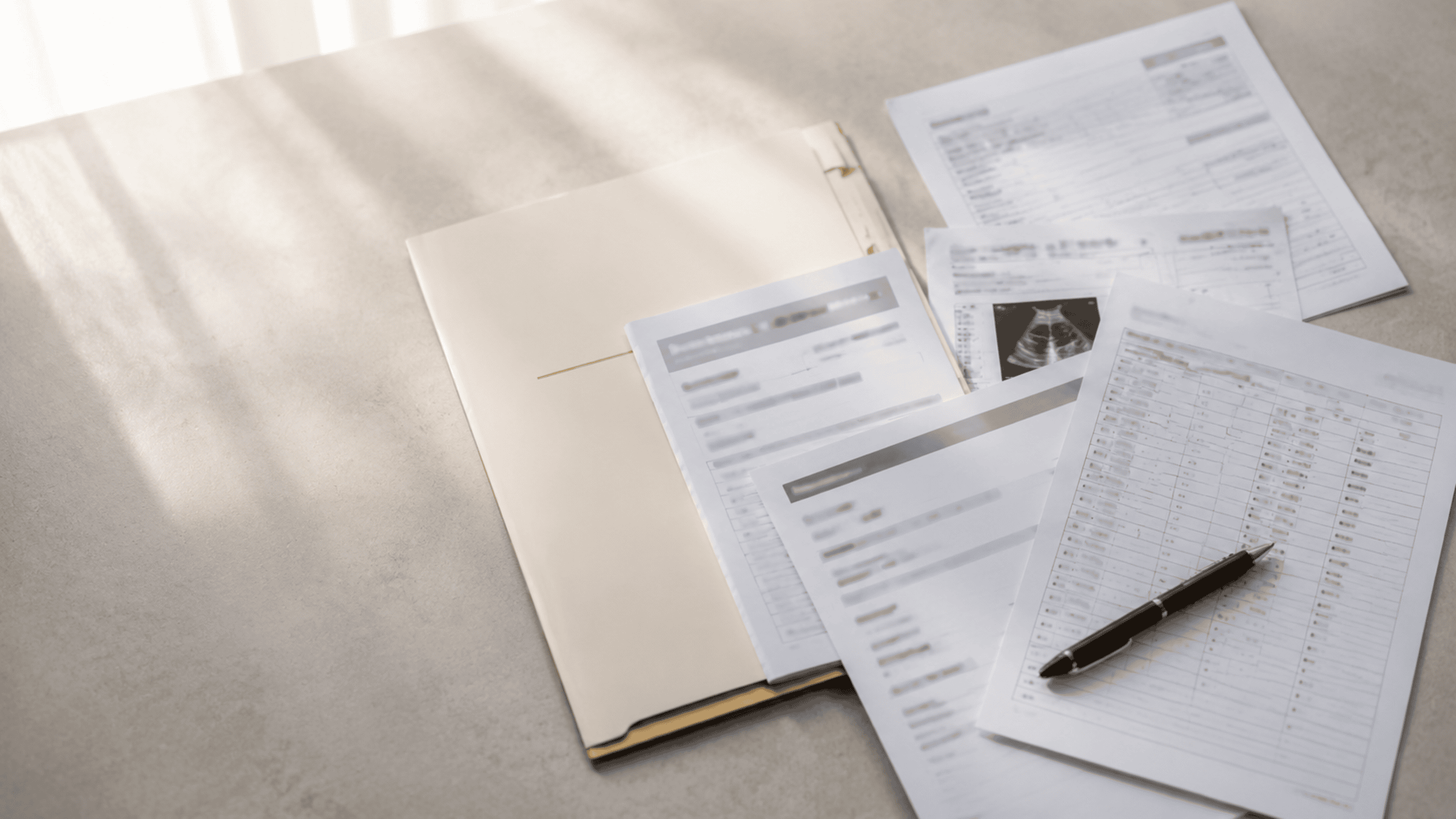
Check that your name, the date, the service, and the amount are clear. Ask whether an English summary is available, but do not assume the hospital must provide one. Photograph or scan the documents and keep the originals until the claim is settled.
A note about medicines you bring from home
A U.S. prescription does not automatically mean a medicine is legal to carry into China. The CDC’s guidance on traveling with medicine advises travelers to keep medicine in its original labeled container, carry copies of prescriptions using generic names, and obtain a clinician’s letter for controlled substances or injectable medicines. It also tells travelers to check the destination’s rules before departure.
Pack regular medicines in your carry-on rather than relying on an emergency refill after arrival. Confirm the active ingredient, quantity, and documentation requirements with the appropriate Chinese official channel and any transit country. Do not assume that a medicine sold over the counter in the United States has the same legal status or availability in China.
For the wider pre-trip checklist, see our China travel planning guide.
Frequently asked questions
What is the ambulance number in China?
The official ambulance number in mainland China is 120. Response, equipment, language support, and service capability can vary, especially outside major cities.
Do I need my passport at a hospital?
Official national and Shanghai guidance says foreign patients may need a passport for outpatient registration. Requirements can vary, so ask the facility what it needs. Do not delay emergency contact because you are searching for paperwork.
Will my U.S. insurance pay a Chinese hospital directly?
Only if your policy covers the service and the hospital has a direct-billing arrangement with the insurer. Many travelers should expect the possibility of paying first and filing a claim later.
Can I expect an English-speaking doctor?
No. English support is more common in international departments, some VIP or special-needs services, and certain facilities in large cities, but it is not guaranteed across every hospital, department, or shift. Confirm with the facility before a non-emergency visit.
Can the U.S. embassy pay my medical bill?
No. The embassy or a consulate may help a U.S. citizen locate medical resources, contact family with permission, or understand options for transferring funds. The U.S. government does not pay private medical bills abroad.
Medical disclaimer
This article provides general travel information. It does not diagnose illness, recommend treatment, determine whether a symptom is an emergency, or interpret an insurance policy. Medical services, payment systems, medicine rules, and language support vary by city and facility. Contact local emergency services or a qualified medical professional for urgent or personal medical decisions, and confirm insurance questions with your insurer.
Prices and availability verified as of July 20, 2026. Subject to change.
Related decisions for this part of the trip
- Travel-safety preparation guide
- China Emergency Numbers: Save a Usable Contact Card
- Travel Insurance for China: Compare the Actual Coverage
- Bringing Prescription Medication to China: Check First
Turn this decision into a workable route
Before travel, build health-related rest, access and contingency needs into the route. LOCLYX is not a medical or emergency-response provider. LOCLYX is a China-based local team. We tailor a written plan to your dates, budget, interests, pace and constraints. Planning costs $19.9 per travel day; travel purchases are separate and we do not make reservations or provide ground services.
Use the relevant guides above to settle this question, then compare the full planning deliverable. Compare the sample itinerary and pricing and scope before using Plan My Trip. Delivery and revision conditions are in the published policy.
Update note
Editorial review: October 12, 2026. Use official and provider references for the route and service they cover. Operational availability, individual eligibility, medical decisions and local procedures require the appropriate current or professional check.