
Foreign travelers can use valid passports for China’s real-name railway tickets. Plan the whole journey—from hotel to station and from arrival station to the next hotel—not only the time printed beside the train.
Choose the rail leg before the booking channel
Compare the exact stations, journey time, terminal access, luggage and arrival hour. A city can have several stations far apart. A shorter train ride can still make a longer travel day if its station is inconvenient.
Decide which sightseeing day the move consumes and whether the next hotel will accept the arrival time. Use the transfer guide for connections; do not assume two tickets make a protected through journey.
Official booking and an intermediary are different choices
| Channel | What to check |
|---|---|
| 12306 official website or app | Passenger identity status, the live service offered and the current payment/booking instructions. |
| A booking intermediary | Whether the ticket is issued, the service fee, refund/change channel and support availability. |
| A station counter | Opening/access arrangements and the original passport and journey details needed. |
12306 identifies itself as China Railway’s official customer-service site. An intermediary purchase request or payment receipt is not proof of an issued railway ticket. Confirm the actual train, date, stations, passenger and seat/berth assignment.
Use the passport-account booking guide for identity setup. Follow the verification instructions shown for your account rather than assuming a station visit is always required.
Prepare the passenger and order details
- Enter the passenger’s name and passport details accurately.
- Search the exact departure and arrival stations on the intended date.
- Choose a service and seat/berth class within the current sale period.
- Read change, refund and intermediary terms before payment.
- Confirm issuance and save the order and train details offline.
- Check luggage, station access and the onward hotel before travel day.
Presale opening and inventory are live conditions. A platform accepting an advance request does not mean a ticket has already been issued. If no seat is available, use the sold-out alternatives rather than a guarantee from an unofficial seller.
At the station: use the document attached to the ticket
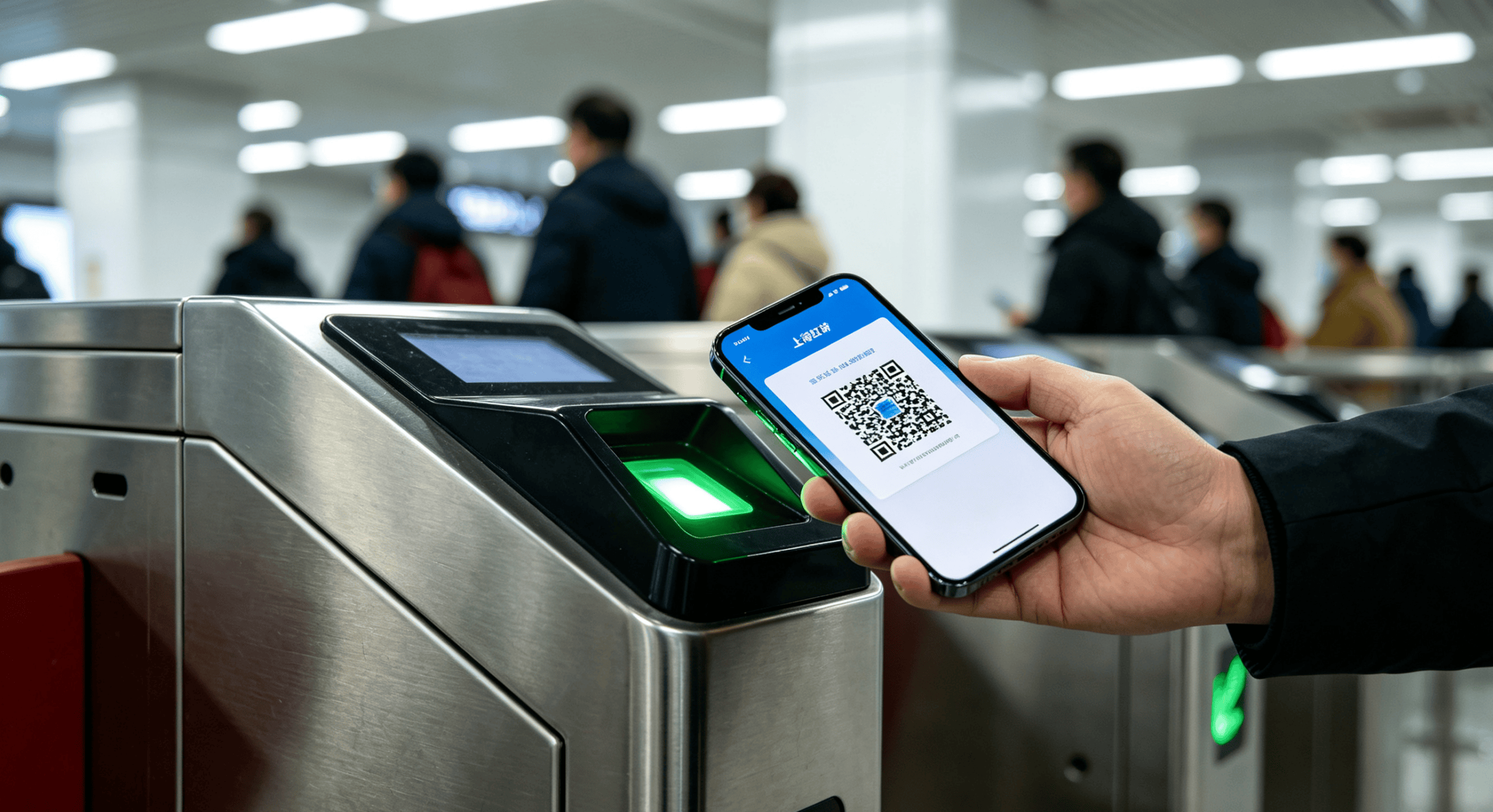
Bring the original valid passport used to buy the ticket. Allow for entry, security, identity verification, the correct waiting area and any staffed check needed for your document. Read the station display for the gate and cutoff: there is no single nationwide boarding time in minutes.
An itinerary sheet or reimbursement receipt is not the ticket or a substitute boarding credential. Ask staff for the correct passport-verification route if a machine cannot read your document. Do not join a queue merely because it is the shortest.
Choose comfort and luggage handling deliberately
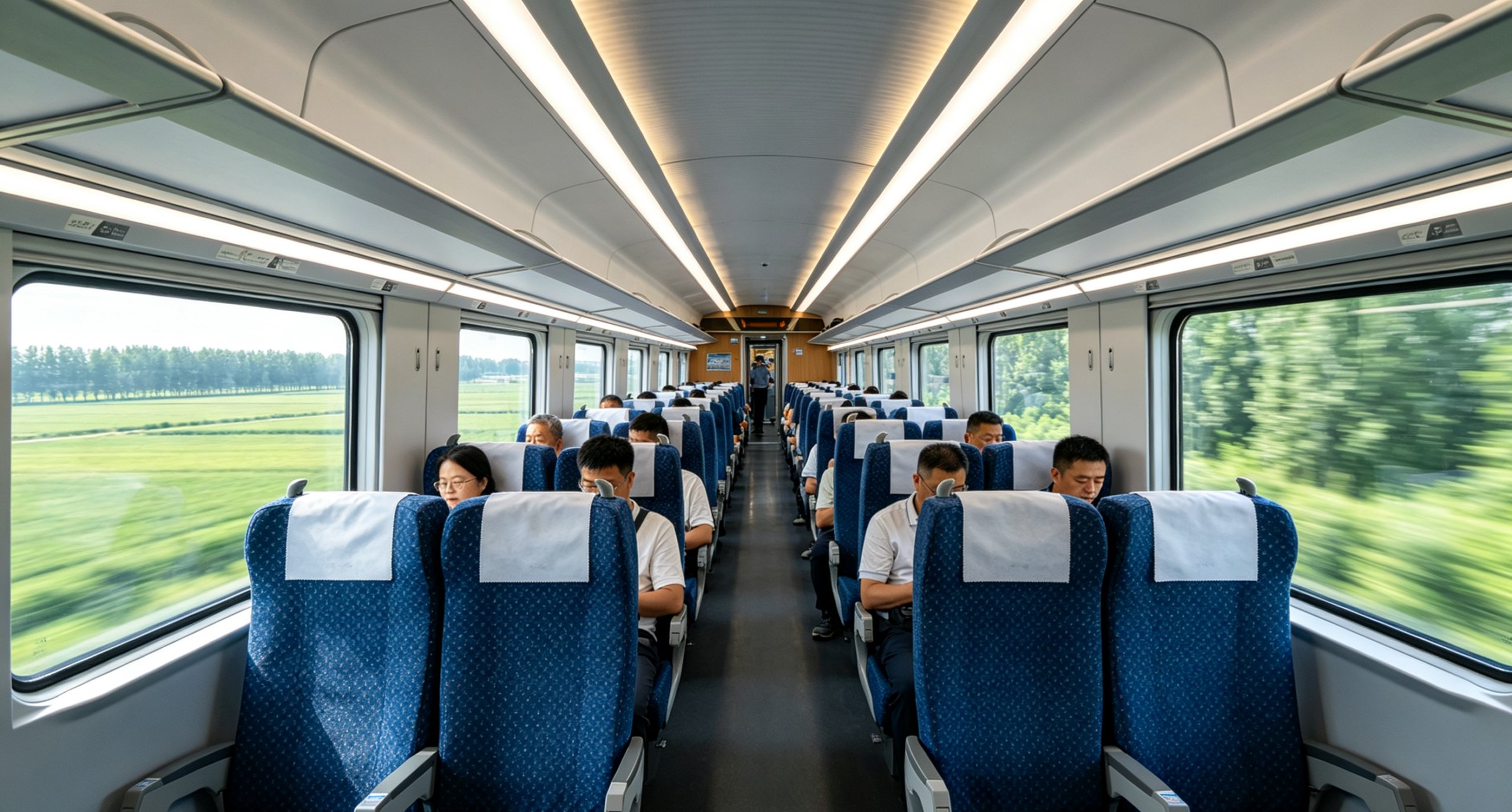
Second class, first class, business seats and sleeper products differ by train. Check the offered layout and price on the specific service; do not assume a complimentary meal, universal quiet carriage or fixed price per kilometer.
Choose luggage you can carry through the terminal and store safely. Read the rail luggage guide; a bag marketed as “cabin size” is not proof it meets every rail condition. Keep originals, medication and valuables with you.
Children and groups require their own checks
Use the railway’s current child-ticket instructions for the actual child and journey. Declare eligible free-travel children through the required workflow; do not assume every child travels free or that a paid child ticket always provides the same rights as an adult ticket.
Review the group-seat guide before relying on seats together. A booking request and a seat preference are not guarantees.
If the journey changes
Keep the original booking channel and order reference. Changes depend on availability, timing and ticket conditions. Use the missed-train guide before buying a replacement that might duplicate a usable ticket. If the railway cancels the service, ask its official channel what applies to that disruption.
Build a route fallback before a tight connection: another service, another permitted station, a revised hotel arrival or one fewer city. A plan is useful because it connects these decisions, not because it removes railway rules.
Turn this decision into a workable route
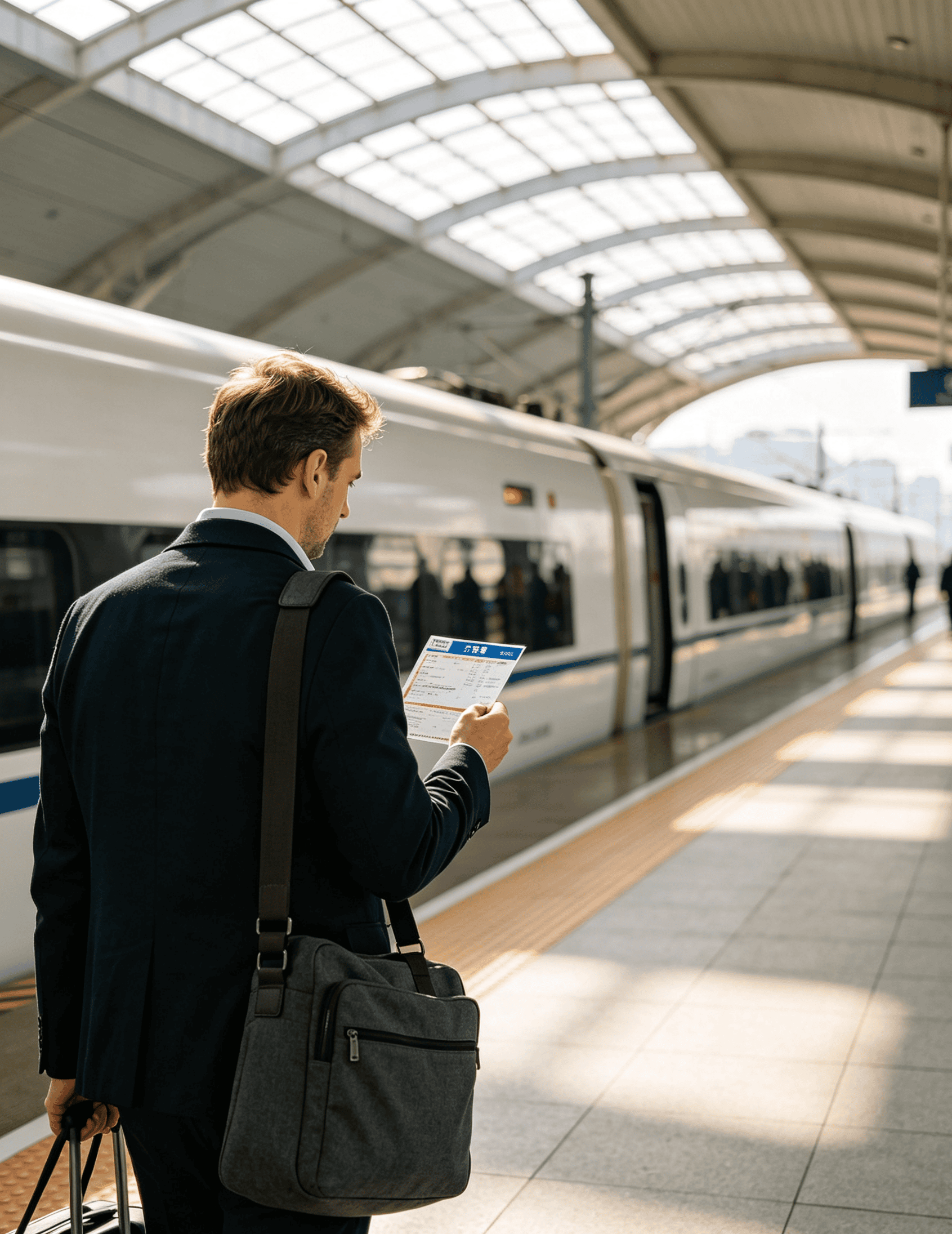
Intercity trains need to fit the hotels, sightseeing days, luggage and backup route. LOCLYX is a China-based local team. We tailor a written plan to your dates, budget, interests, pace and constraints. Planning costs $19.9 per travel day; travel purchases are separate and we do not make reservations or provide ground services.
Use the route hub to compare the full travel day. Compare the sample itinerary and pricing and scope before using Plan My Trip. Delivery and revision conditions are in the published policy.
Sources and scope
Editorial review: October 12, 2026. Practical checklists are planning guidance, not a guarantee of eligibility, availability or a particular outcome.
- China Railway 12306 English FAQ — real-name tickets, valid foreign passports, booking channels, itinerary sheets and station instructions