Home About Sample Resources FAQ Contact Reviews My LOCLYX Plan My Trip
Contact FAQ
How to Order Food in China Without Speaking Chinese

How to Order Food in China Without Speaking Chinese

Published on LOCLYX Blog · Updated June 2026 · Reading time ~8 minutes


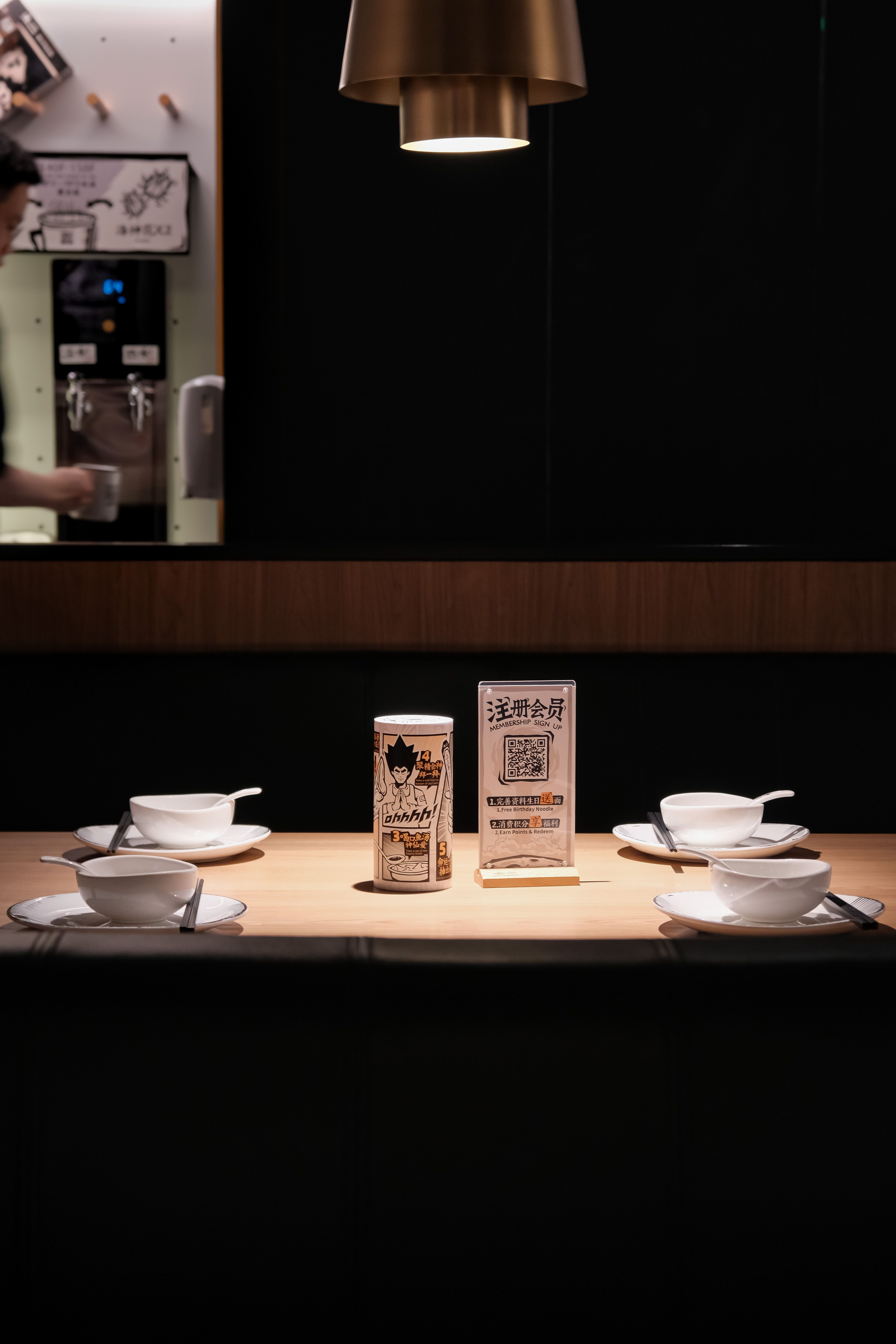
A QR code on a Chinese restaurant table linking to a photo-rich ordering system on a smartphone — the standard way to order food in China in 2026.

Opening

The single biggest anxiety first-time travelers have about China is not the Great Wall or the visa — it is the dinner table. You walk into a restaurant. The menu is in Chinese characters only. The server speaks no English. You point at something random, hope for the best, and either get lucky or get a bowl of chicken feet.

Here is the secret: most Chinese restaurants in 2026 do not use menus anymore. They use QR codes that pull up a photo-rich ordering system on your phone. Once you know how to scan, browse, and pay through that system, you can order food in almost any restaurant in China without speaking a single word of Chinese — and without pointing.

This guide walks through the QR-code ordering system, the backup photo-menu tricks, the key phrases that save you when there is no QR code, and the dietary-restriction strategies that work in tier-1 cities (and the limitations you should expect in smaller ones).


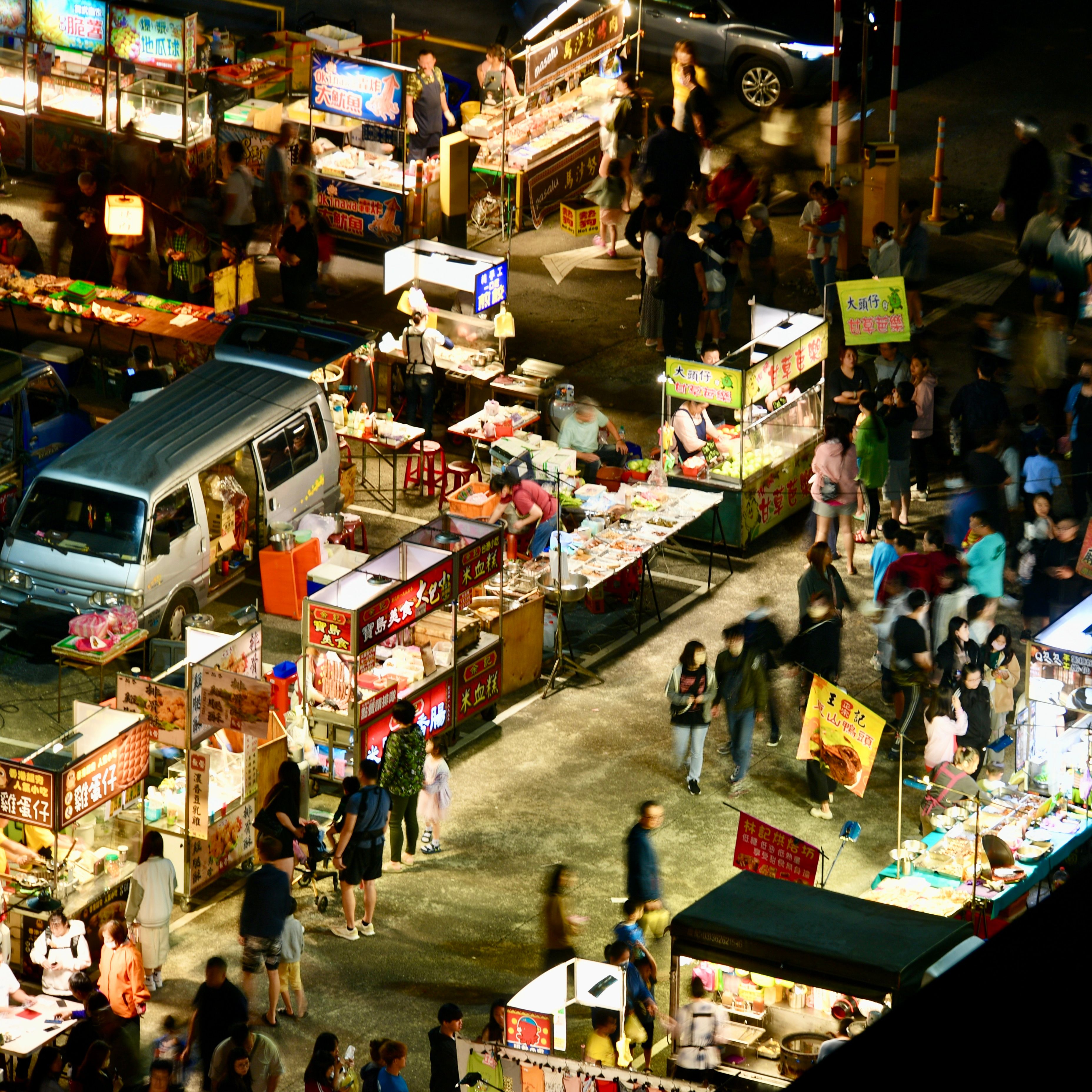
A Chinese night market with food stalls selling grilled skewers, dumplings, and street snacks — pick the stall with the longest queue.

Section 1: The QR-code ordering system that changes everything

Most mid-range and chain restaurants in China have replaced paper menus with table QR codes. Here is how it works.

The setup

  1. Sit down at any table in a Chinese restaurant.
  2. Look for a small QR code card on the table, often laminated.
  3. Open WeChat or Alipay (both have built-in QR scanners).
  4. Scan the code. A mini-program loads with the restaurant’s full menu.

The interface

The menu is in Chinese, but most dishes have photographs — and for popular dishes, the photo is large and prominent. You tap the photo to add the dish to your cart. You can see prices, portion sizes, and customer ratings for each dish.

The interface usually has an English toggle in the top-right corner. Switch it on, and the menu is bilingual. If there is no English toggle, the photographs alone are enough to navigate.

How to order

  1. Browse the menu by category (cold dishes, hot dishes, soups, noodles, rice).
  2. Tap each dish you want. The order is added to your cart.
  3. Some restaurants require you to tap “Submit Order” before the kitchen sees it.
  4. Others send the order automatically and ask you to confirm at the end.
  5. Pay through WeChat Pay or Alipay directly from the ordering interface.

The whole process takes 5 minutes once you know what to look for.

What if the QR code does not work?

  • The QR code might be from WeChat and your phone might prefer Alipay. Try the other app.
  • The QR code might be restaurant-specific (some chains use their own app). Download the app if it is a chain you are likely to revisit.
  • The QR code might not work if you do not have a Chinese SIM or data connection. Connect to restaurant Wi-Fi or use your eSIM data.
  • If all else fails, ask for the paper menu. Most restaurants still keep a few paper menus behind the counter for older customers.

Section 2: The backup system for restaurants without QR codes

In smaller cities, rural areas, very cheap street stalls, and old-school restaurants, QR codes are less universal. Here is the backup toolkit.

Use Meituan or Dianping to find the restaurant’s menu in advance

Before you go to a restaurant, search for it on Meituan (China’s Yelp) or Dianping. Both apps have photo-rich menus from real customers. Screenshots of the menu you want let you point to dishes with confidence.

Use Google Translate or Apple Translate camera mode

Open the camera, point it at the menu, and the app overlays the English translation in real time. Both Google Translate and Apple Translate have offline Chinese packs (download before you leave home). Accuracy is around 70–80% — enough to identify most dishes, occasionally wrong on specifics like “chili oil” vs “chili sauce.”

Use Pleco for individual characters

If you see a single character you do not recognize, open Pleco and use the OCR feature. Point the camera at the character and Pleco will identify and translate it.

Use a small phrasebook card

Carry a printed phrase card with these key phrases:

  • “I’m vegetarian” — 我吃素 (wǒ chī sù)
  • “I don’t eat spicy food” — 我不吃辣 (wǒ bù chī là)
  • “I have a peanut allergy” — 我对花生过敏 (wǒ duì huāshēng guòmǐn)
  • “No MSG please” — 请不要放味精 (qǐng bùyào fàng wèijīng)
  • “Could I see the menu with photos?” — 请问有带图片的菜单吗? (qǐngwèn yǒu dài túpiàn de càidān ma?)
  • “What do you recommend?” — 有什么推荐的吗? (yǒu shéme tuījiàn de ma?)
  • “I’ll have this one” — 我要这个 (wǒ yào zhège)
  • “Check please” — 买单 (mǎi dān)

Most servers will smile, nod, and bring you what you pointed at — even if they understood none of the English. The body language carries the transaction.

Point to what other tables are eating

In Chinese restaurants, pointing to another table’s dish and saying “这个” (zhège — “this one”) is socially acceptable and often results in the exact dish you wanted. Locals do it too.


Section 3: The dishes you can safely order by pointing

If you are at a Chinese restaurant with no QR code and no menu translation, these dishes are recognizable across most regions and rarely disappointing when pointed at:

Safe bets (almost every region)

  • 宫保鸡丁 (gōngbǎo jīdīng) — Kung Pao Chicken. Diced chicken with peanuts, dried chilies, and Sichuan peppercorns. Sweet, spicy, savory. Universally recognizable.
  • 蛋炒饭 (dàn chǎofàn) — Egg fried rice. The “I have no idea what to order” dish.
  • 西红柿炒鸡蛋 (xīhóngshì chǎo jīdān) — Tomato and scrambled eggs. The “home-cooking comfort” dish.
  • 红烧肉 (hóngshāo ròu) — Red-braised pork belly. Soft, sweet, rich.
  • 酸辣汤 (suān là tāng) — Hot and sour soup. The classic Chinese soup.
  • 白米饭 (bái mǐfàn) — Steamed white rice. Always available.
  • 蒸饺 (zhēngjiǎo) — Steamed dumplings. The “snack or meal” all-purpose dish.
  • 麻婆豆腐 (mápó dòufu) — Mapo tofu. Spicy, numbing, vegetarian.

Regional must-tries if you are in the right city

  • In Beijing: 北京烤鸭 (Běijīng kǎoyā) — Peking duck. The whole point of being in Beijing.
  • In Shanghai: 小笼包 (xiǎolóngbāo) — Xiaolongbao (soup dumplings). And 红烧肉 (hóngshāo ròu) Shanghai-style, sweeter than other regions.
  • In Xi’an: 肉夹馍 (ròu jiā mó) — Chinese hamburger. And 羊肉泡馍 (yángròu pào mó) — lamb soup with flatbread.
  • In Chengdu: 火锅 (huǒguō) — Sichuan hotpot. The defining dish of the city.
  • In Guangzhou: 早茶 (zǎochá) — dim sum brunch.
  • In Guilin: 桂林米粉 (Guìlín mǐfěn) — Guilin rice noodles.

How to handle dietary restrictions

Vegetarian: China is not a vegetarian paradise. Buddhist vegetarian restaurants exist in most cities (look for 素食 or 素菜 in the name). Outside of those, “vegetarian” is a flexible concept — many vegetable dishes contain pork or shrimp for flavor. Use the phrase “我是素食者” (wǒ shì sùshí zhě) and ask your server to confirm no meat, no fish sauce, no chicken broth.

Gluten-free: This is the hardest restriction in China. Soy sauce is in almost every savory dish, and wheat is in many snacks. Stick to rice-based dishes, grilled meats, and explicitly gluten-free restaurants (rare outside tier-1 cities). Carry an allergy card in Chinese.

Nut allergies: Peanuts and sesame are common in Chinese cooking. Always carry an allergy card. Restaurants are not legally required to disclose allergens, so communicate explicitly.

Halal: Look for 清真 (qīngzhēn) signage, indicating Muslim/Halal preparation. Major cities have entire halal districts (e.g., Xi’an’s Muslim Quarter).


Section 4: Street food — how to navigate the night markets

Chinese night markets are one of the great travel experiences. The setup is universal: a row of stalls, each specializing in one or two dishes, with prices visible at the counter.

How to order at a street stall

  1. Walk up to a stall and look at the display case. Most stalls have all their food laid out visibly.
  2. Point to what you want. The vendor will nod, name the dish and price, and start cooking.
  3. Pay in cash or scan the WeChat/Alipay QR code taped to the stall.
  4. Wait 2–5 minutes for most dishes (5–10 for hotpot skewers and longer-cooked items).

How to find the best stalls in a night market

  • Look for the longest queue. Chinese diners are reliable — if a stall has a 20-minute wait, it is worth it.
  • Look for stalls run by older vendors, not the empty flashy ones with English signage.
  • Avoid stalls with no visible turnover (food sitting out in the open for hours).
  • Eat what is in season. In summer, look for fresh fruit (mangoes, lychees), grilled squid, and cold noodles. In winter, look for hotpot skewers, roasted chestnuts, and sweet potatoes.

Common street food to try

  • 煎饼果子 (jiānbing guǒzi) — savory crepe with egg and crispy dough
  • 烤冷面 (kǎo lěngmiàn) — grilled cold noodles (a northeast specialty)
  • 臭豆腐 (chòu dòufu) — stinky tofu (smells worse than it tastes)
  • 糖葫芦 (táng húlu) — candied hawthorn on a stick
  • 肉串 (ròu chuàn) — grilled meat skewers (cumin-spiced lamb is a classic)
  • 烤红薯 (kǎo hóngshǔ) — roasted sweet potato, sold from carts in winter

Food safety on the street

Chinese street food in tourist areas and busy commercial districts is generally safe. The high turnover means food does not sit out. Eat at stalls with active queues. Avoid raw seafood and unpeeled fruit you did not wash yourself. Drink bottled water, not tap water (especially when mixed into drinks).


Section 5: What to do if you have a dietary emergency

If you eat something that does not agree with you:

  1. Mild stomach upset: any pharmacy (药店) can sell you probiotics and anti-diarrheal medication. No prescription needed.
  2. Allergic reaction: antihistamines (开瑞坦, kairuitan / Claritin) are available over the counter. For severe reactions, go to a hospital.
  3. Food poisoning: rare but possible. Go to the nearest hospital or international clinic. Tier-1 cities have English-speaking staff.

Carry a small medical kit with: Imodium, antihistamines, activated charcoal (in case of food poisoning), electrolyte powder, and any prescription medications you need.


Closing

Ordering food in China without speaking Chinese is not the nightmare it once was. The QR-code ordering system has eliminated the language barrier for 80% of restaurants. Photo menus, translation apps, and a small phrase card handle the other 20%.

The trick is to set up your apps before you fly: WeChat, Alipay, Google Translate (with offline Chinese), and Pleco. Then the next time you walk into a restaurant with no English menu, you will not panic — you will scan.

For a deeper dive into the apps you need, see our apps guide. For our 10-day itinerary which includes restaurant picks with photo menus in every city, see that guide. For a fully customized itinerary with verified local restaurants in every city, see our plan my trip page.


Want a personalized China itinerary built by locals?

Plan Your Trip