Best (and Worst) Times to Visit China in 2026
Published on LOCLYX Blog · Updated June 2026 · Reading time ~8 minutes

Opening
Ask ten travel writers “when is the best time to visit China” and you will get eleven opinions — most of them wrong. The reason is that “best” depends on what you are optimizing for. Best weather? Best prices? Fewest crowds? The answer to each is a different month, and almost no guide tells you which trade-offs you are making.
After building itineraries for trips to China, the data is unambiguous: the best month for a first-time visitor is September, followed by April and late October. The worst months are the four weeks surrounding Chinese New Year and the seven days of National Day Golden Week — periods when domestic travel swells to a degree Western travelers genuinely cannot imagine until they see it.
This guide breaks down every month of 2026 with real data on weather, crowds, prices, and what is actually worth seeing. By the end, you will know not just when to go, but when to avoid.

Section 1: The three Chinese holidays you must avoid
Before we get into months, internalize these three periods. Every one of them is a trip-destroyer if you do not plan around them.
Chinese New Year / Spring Festival (Spring Festival Eve through Day 7)
- 2026 dates: February 16 (New Year’s Eve) through February 22 (Day 6)
- What happens: the largest annual human migration on Earth. Roughly 400 million people travel by train, plane, and car in a two-week window. Tickets sell out within minutes of release.
- Hotel impact: prices in Beijing, Shanghai, and tier-2 cities triple. Many budget hotels sell out entirely.
- Attraction impact: top sites like the Forbidden City and the Great Wall see 3–4x normal crowds. Restaurants in tourist areas close for the holiday (workers go home).
- Verdict: do not travel to China during this window. If your only option is February, fly in on Day 8+ and stay for the quieter tail end.
Labor Day (May 1–5, with 2026 expanded to May 1–5)
- What happens: shorter than Chinese New Year but the same pattern of domestic tourism spike. Three to five days of crowded trains and packed attractions.
- Verdict: avoid if possible. The week before and after are fine.
National Day Golden Week (October 1–7)
- 2026 dates: October 1 through October 7
- What happens: the second-largest migration of the year. Beijing’s Forbidden City hits 80,000+ daily visitors on peak days. The Great Wall at Badaling is a slow-moving human conveyor.
- Verdict: avoid. Plan your October trip for the second half of the month (October 15+).
Lesser-known but still significant
- Qingming Festival (April 4–6 in 2026): a 3-day tomb-sweeping holiday. Crowded at parks and historical sites but not as disruptive as the big three.
- Dragon Boat Festival (June 19–21 in 2026): 3 days, moderate crowds, especially in southern China.
- Mid-Autumn Festival (September 25–27 in 2026): 3 days, similar to Dragon Boat.
The rule: avoid any week containing a Chinese public holiday. Everything else is fair game.
Section 2: Month-by-month breakdown for 2026
January
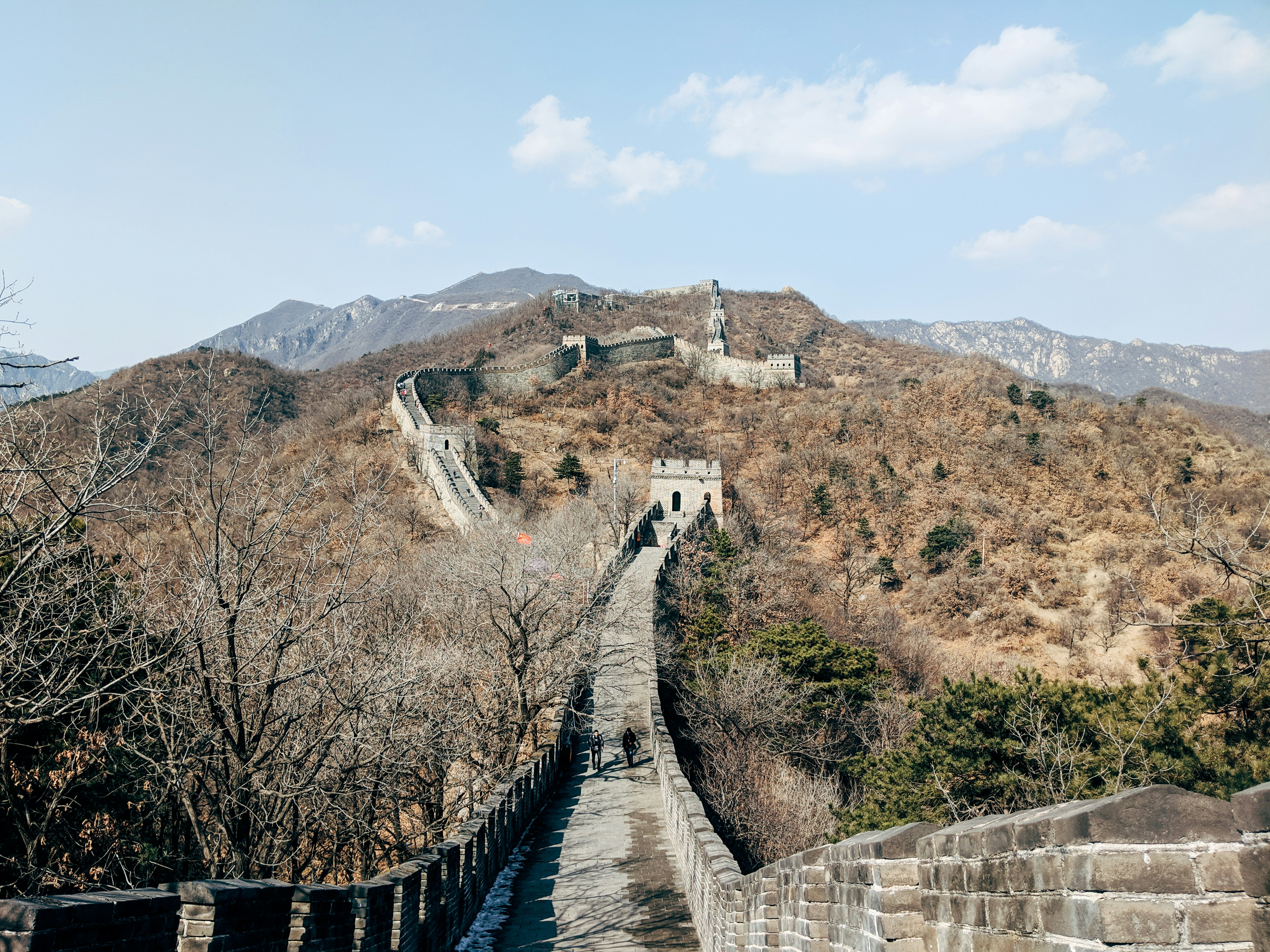
Winter in northern China (Beijing/Xi’an: -5 to 5°C), mild in the south (Shanghai: 0–8°C, Hong Kong: 10–18°C, Yunnan: 5–20°C). The Great Wall dusted in snow is one of the most photogenic scenes in travel. Spring Festival crowds hit around late January or February (check the lunar calendar each year).
- Best for: Beijing (snow + low crowds before Spring Festival), Hong Kong, Hainan (Sanya at 25°C), Harbin Ice Festival (closes mid-February).
- Avoid if: you hate cold or arrive during the Spring Festival window.
- Price level: low to moderate, except Spring Festival week.
February
Spring Festival dominates. The first half of February is normal. The week of the holiday is impossible. The week after is recovery — many shops and restaurants closed for an extended break. By late February, prices normalize and crowds thin out.
- Best for: Hainan, Hong Kong, Yunnan (still warm).
- Avoid: anywhere in mainland China during the holiday window.
- Price level: spike during holiday, low otherwise.
March
Spring arrives in the south. Yangzhou, Wuhan, and Kunming are at their best. Northern China is still cold but warming (5–15°C). Crowds are still low because Spring Festival just ended.
- Best for: Yunnan (Kunming, Dali, Lijiang), southern China, Shanghai for plum blossoms.
- Avoid: northern China if you dislike cold mornings.
- Price level: low.
April
One of the two best months for most of China. Weather is mild across the board (15–22°C in the north, warmer in the south). Crowds are low except for the Qingming weekend. Spring blossoms at the Great Wall and in Beijing’s parks.
- Best for: Beijing, Xi’an, Shanghai, Hangzhou (West Lake cherry blossoms).
- Avoid: May 1 Labor Day week.
- Price level: moderate and rising into May.
May
Excellent except for Labor Day week. The rest of May is warm (20–28°C), green, and uncrowded. Late May is one of the best windows for central and southern China.
- Best for: everywhere except during May 1–5.
- Avoid: May 1–5 specifically.
- Price level: moderate.
June
Shoulder season. Northern China gets hot (25–32°C), southern China hits monsoon season (high humidity, frequent rain). Crowds are lower because of the weather and the school-term lull.
- Best for: Yunnan and Guizhou (cool high-altitude escapes), Inner Mongolia (grasslands green before summer peak).
- Avoid: lowland southern China (Guangzhou, Guilin) during heavy rain weeks.
- Price level: low.
July
Peak summer heat. Beijing hits 35–38°C with humidity. Shanghai is hotter and more humid. Northern travel is genuinely uncomfortable. The upside: school holidays mean family travel infrastructure is in full swing, and Yunnan/Tibet/northeast (Harbin at 25°C) are cooler escapes.
- Best for: Yunnan (Kunming, Shangri-La), Guizhou, Qinghai-Tibet plateau, northeast China (Harbin, Dalian), Inner Mongolia.
- Avoid: Beijing, Xi’an, central China in the daytime.
- Price level: moderate to high for cool destinations.
August
Same as July but with the family travel peak. August in the north is brutally hot. Domestic tourism is at its seasonal high in cool destinations. Avoid northern China if you can.
- Best for: same cool destinations as July.
- Avoid: northern China.
- Price level: high for cool destinations.
September ← the best month
Post-summer, pre-Golden-Week. Temperatures drop to a comfortable 20–27°C in the north and central China. Crowds thin out after the family travel peak. Prices moderate. Autumn begins to show in the north by late September. The Mid-Autumn Festival (3-day weekend in 2026) brings a small spike — plan around it.
- Best for: everywhere. This is the month.
- Avoid: Mid-Autumn Festival weekend.
- Price level: moderate.
October
First half is the National Day Golden Week — see Section 1. Second half (October 15 onward) is the second-best month of the year. Autumn colors at the Great Wall, Forbidden City, and Beijing’s hutongs. Weather is cool and dry. Crowds return to normal after the holiday.
- Best for: northern China autumn colors, central China, eastern coastal cities.
- Avoid: October 1–7.
- Price level: high during Golden Week, moderate after.
November
Shoulder season. Northern China cools rapidly (5–15°C in Beijing by late November). Southern China stays mild. Crowds are low. Prices are low.
- Best for: southern China, Hong Kong, Yunnan, Hainan, eastern coastal cities.
- Avoid: northern China if you dislike cold.
- Price level: low.
December
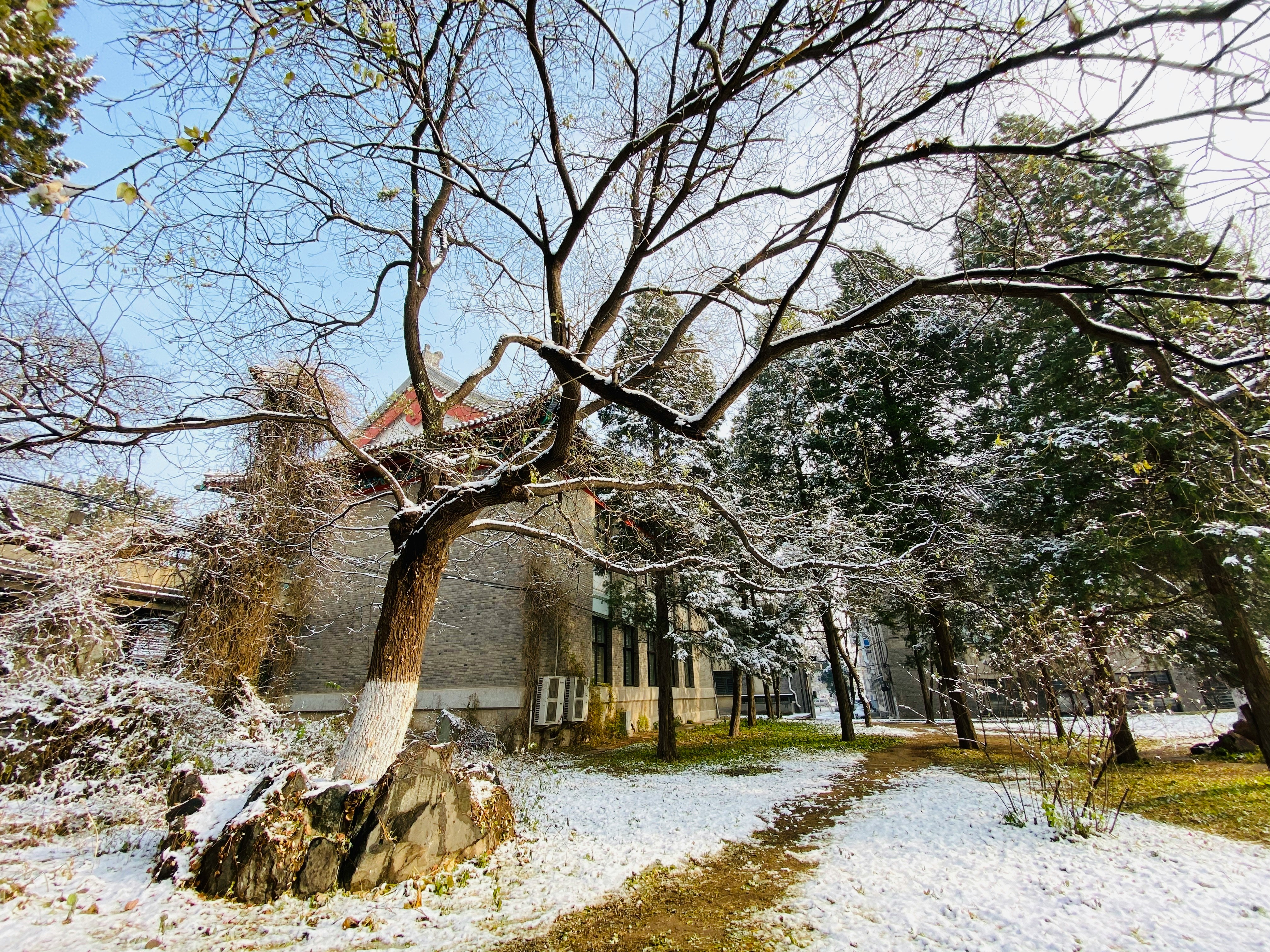
Winter again. Northern China is cold but the most photogenic of the year if you dress well (the hutongs under snow, the empty Great Wall). Southern China is mild. Hong Kong and Hainan are warm escapes.
- Best for: Hong Kong, Hainan, Yunnan (winter sun), Beijing if you want snow + empty tourist sites.
- Avoid: anywhere in the far north if you dislike -10°C.
- Price level: low except Christmas/New Year week.
Section 3: Three regional considerations
Best month for Beijing / Xi’an
April, September, October 15–November 10. Avoid July and August (heat), February 12–25 (Spring Festival), and October 1–7 (Golden Week).
Best month for Shanghai / Hangzhou / Suzhou
April, May, September, October, early November. Avoid July and August (humid heat), and the same holiday windows as Beijing.
Best month for Yunnan (Kunming, Dali, Lijiang, Shangri-La)
Year-round, with caveats. March–May and September–November are the strongest months. December–February nights can be cold in Shangri-La but sunny and pleasant in Kunming and Dali. June–August is the rainy season but the rain usually falls in short afternoon bursts.
Best month for Tibet (Lhasa)
May, June, September, October. Winter is too cold at 3,650m altitude. Summer monsoon clouds obscure mountain views.
Best month for Hainan (Sanya)
November through March. Sanya is the Chinese beach escape — winter and spring are peak season. Summer is hot and rainy.
Section 4: Common timing mistakes (and how to avoid them)
Mistake 1: “September sounds nice, I’ll go September 15.”
September 25–27 is the Mid-Autumn Festival in 2026. Plan around the public holiday weeks, not just the calendar dates.
Mistake 2: “I want to see the Great Wall in autumn colors, so October is best.”
October 1–7 will ruin your trip. Aim for October 15–November 10 instead. The colors are still there.
Mistake 3: “China in February sounds romantic — Chinese New Year is a cultural experience.”
It is. So is the Tokyo subway at rush hour. Cultural immersion is one thing. Being one of 400 million people trying to board a train is another. Skip the holiday week itself.
Mistake 4: “I’ll go in summer so the kids are out of school.”
This works only if you are going to cool destinations. Northern China in July is genuinely miserable for kids — heat, humidity, and indoor museum after indoor museum to escape the sun.
Mistake 5: “December is off-season so it will be cheap.”
Mostly true — except the week of Christmas, New Year, and the run-up to Spring Festival when domestic travelers take winter holidays. Avoid late January and early February.
Closing
There is no perfect month to visit China. There are several great ones. September and the second half of October are the two best windows for first-time visitors — comfortable weather, moderate prices, manageable crowds. April is a close third.
The single biggest timing mistake is arriving during Chinese New Year or Golden Week. The second biggest is showing up in northern China in July expecting to enjoy walking tours.
If you want help aligning your dates with the right cities, see our 10-day itinerary for the canonical Beijing + Xi’an + Shanghai route, or our pricing and plan my trip page to get a fully customized itinerary that fits your specific dates.